Quick index of devices, technical articles, and resources Support Us 中文 EN
VKEFUN

TECHNOLOGY ARCHIVE · EST. 2026

HARDWARE ARCHIVE

Devices

Browse device specifications, operating systems, product history, and related technical articles by brand and model.

Quick filters

Brand
All Apple13 BlackBerry6 Ericsson3 Google6 Honor2 HTC8 Huawei3 LG7 Meizu7 Motorola13 Nokia54 OnePlus1 OPPO4 Palm3 Redmi8 Samsung23 Siemens5 Sony6 Sony Ericsson16 vivo2 Xiaomi5 ZTE1
System family
All Android75 iOS / iPhone OS13 Symbian31 Series 4010 BlackBerry OS5 BlackBerry 101 Windows Mobile3 Windows Phone4 Windows CE1 Palm OS1 webOS2 Maemo1 MeeGo1 bada1 GEOS1 Linux4 Proprietary systems42
196 devices Sorted by brand / model
Meizu M8

Meizu

M8

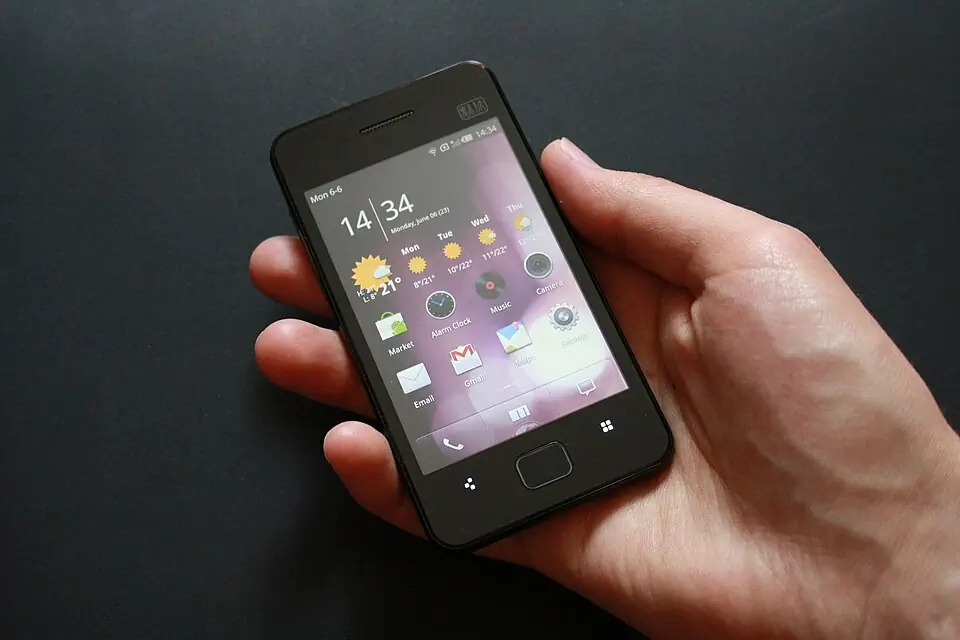
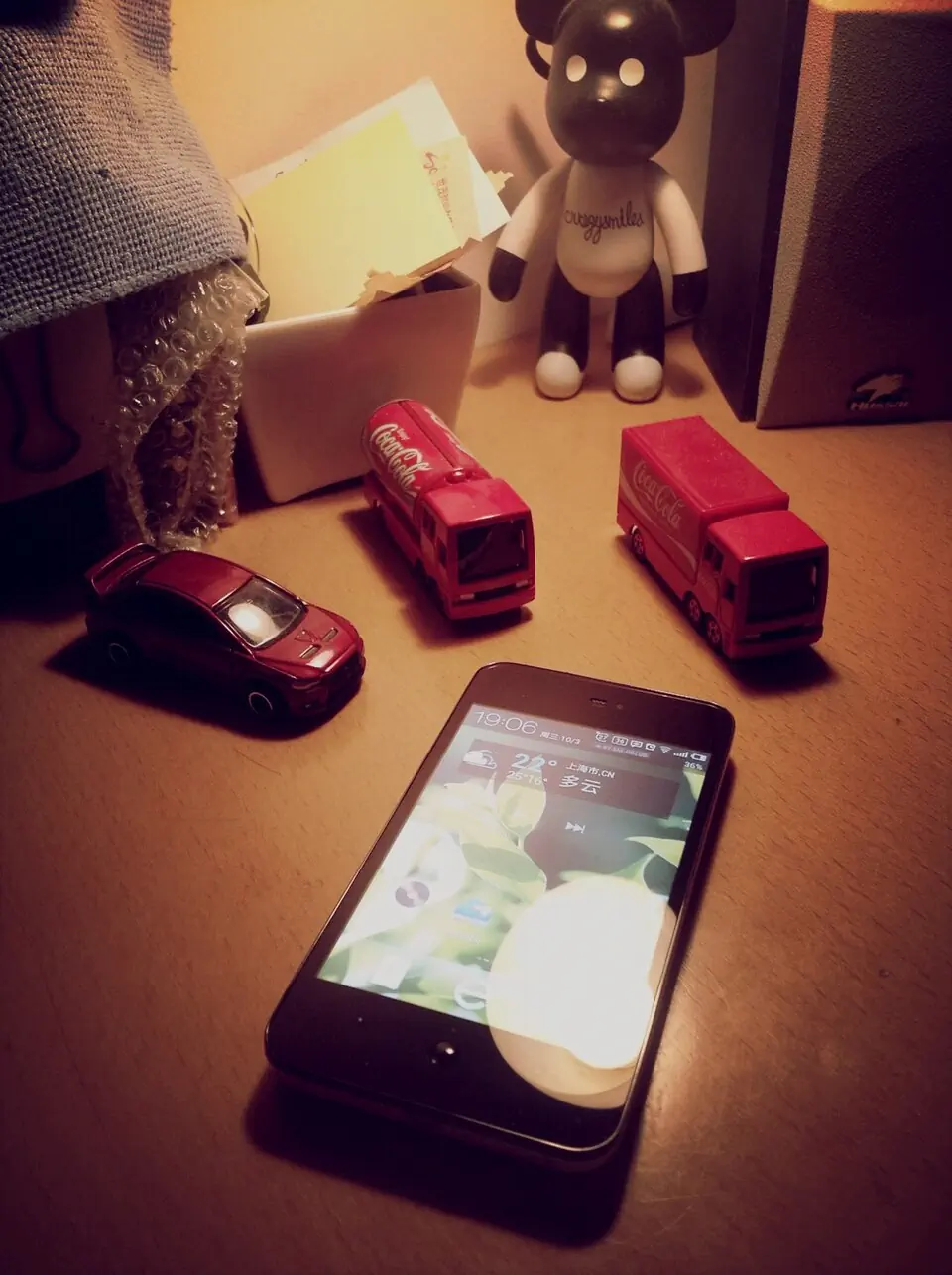
The original Meizu M8 marks the move from music players to phones, with a 3.4-inch 480×720 touchscreen, Samsung ARM11 platform and a customised Windows CE 6.0 system. Built-in 8/16 GB flash, stereo speakers and a replaceable battery retain its multimedia emphasis.
Released
2009
System family
Windows CE
Meizu M9

Meizu

M9

The Meizu M9 succeeds M8 with customised Android 2.2, Samsung S5PC110 and a 960×640 ASV screen, entering retail on 1 January 2011. WCDMA, GPS and microSD are joined by 512 MB RAM and 512 MB ROM; 8/16 GB packages refer to supplied cards.

Released
2011
System family
Android
Meizu MX

Meizu

MX

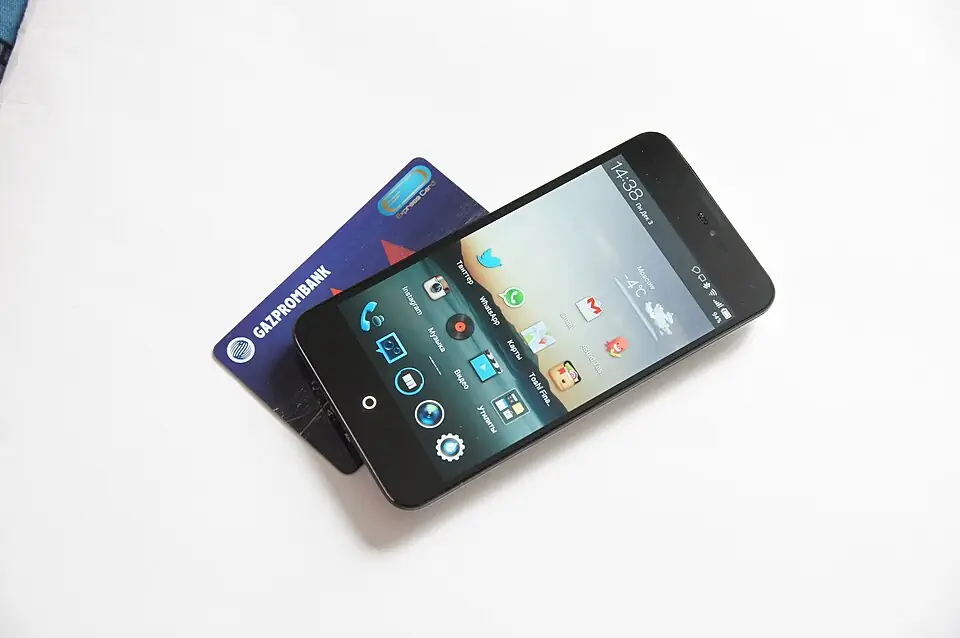
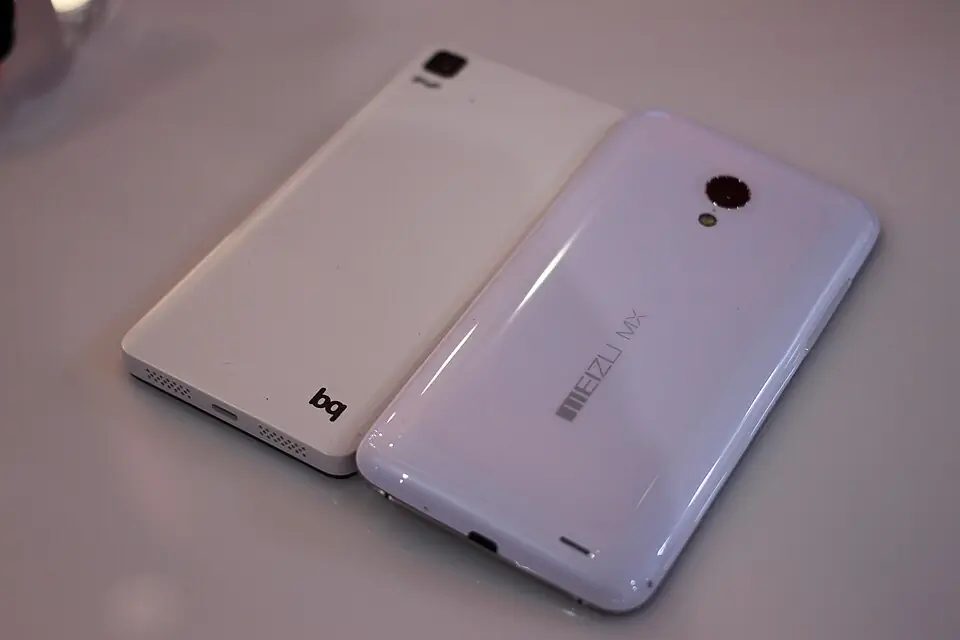
The first Meizu MX combines a 4-inch 640×960 ASV screen, physical Home key, 8 MP camera, micro-SIM, micro-USB and MHL. January 2012 retail begins with a dual-core model; later new-dual and quad-core revisions retain similar looks while changing the processor, battery and software.

Released
2012
System family
Android
Meizu MX2

Meizu

MX2

Meizu MX2 replaces the physical Home with a circular touch control and SmartBar around a 4.4-inch 800×1280 screen. Samsung-made MX5S, 2 GB dual-channel memory and 16/32/64 GB internal flash form its core hardware. The rear cover opens for SIM access; the 1800 mAh battery is not user-swappable.

Released
2012
System family
Android
Meizu MX3

Meizu

MX3

Meizu MX3 pairs a 5.1-inch 1080×1800 screen and Flyme 3.0 with Exynos 5410, 2 GB LPDDR3, an 8 MP f/2.0 rear camera and 2400 mAh battery. Its two quad-core CPU clusters and capacity-specific NFC are important distinctions: the 16 GB model lacks NFC.

Released
2013
System family
Android
Meizu MX4

Meizu

MX4

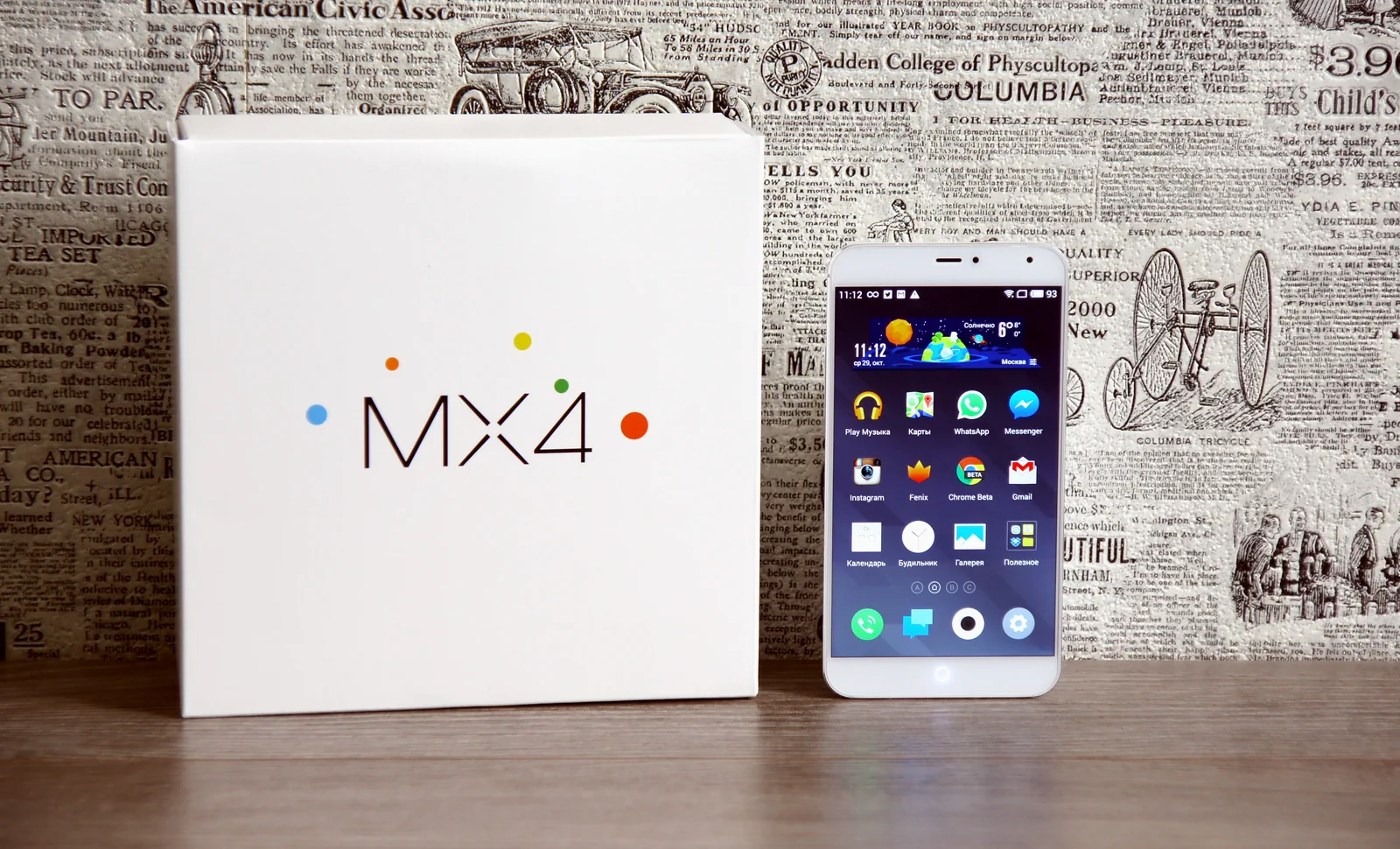
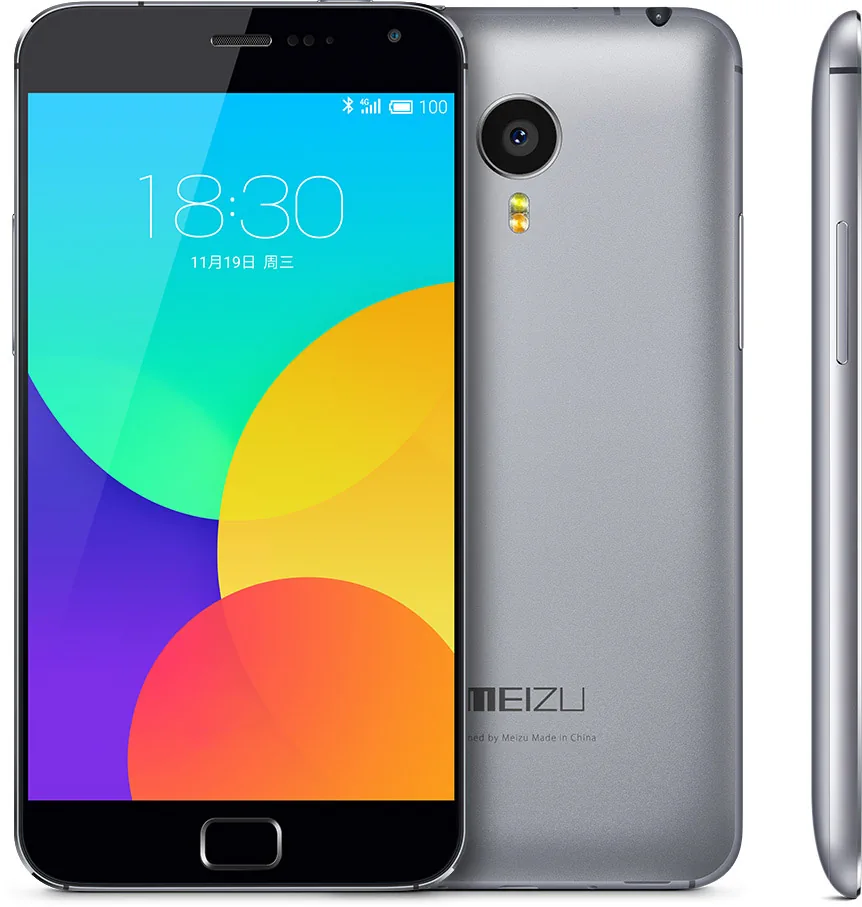
Meizu’s 2014 MX4 combines a 5.36-inch 1920 × 1152 IPS display, custom MT6595, 2 GB RAM and 20.7 MP Sony rear camera. Its detachable plastic cover, embedded battery and capacitive circular Home remain distinct.

System family
Android
Meizu MX4 Pro

Meizu

MX4 Pro

MX4 Pro adds Exynos 5430, a 2560 × 1536 screen, physical mTouch and dedicated headphone audio. Maker, HK supplier and contemporary retail evidence retain conflicting battery and display definitions.

System family
Android
Motorola A1200 (MING)

Motorola

A1200 (MING)

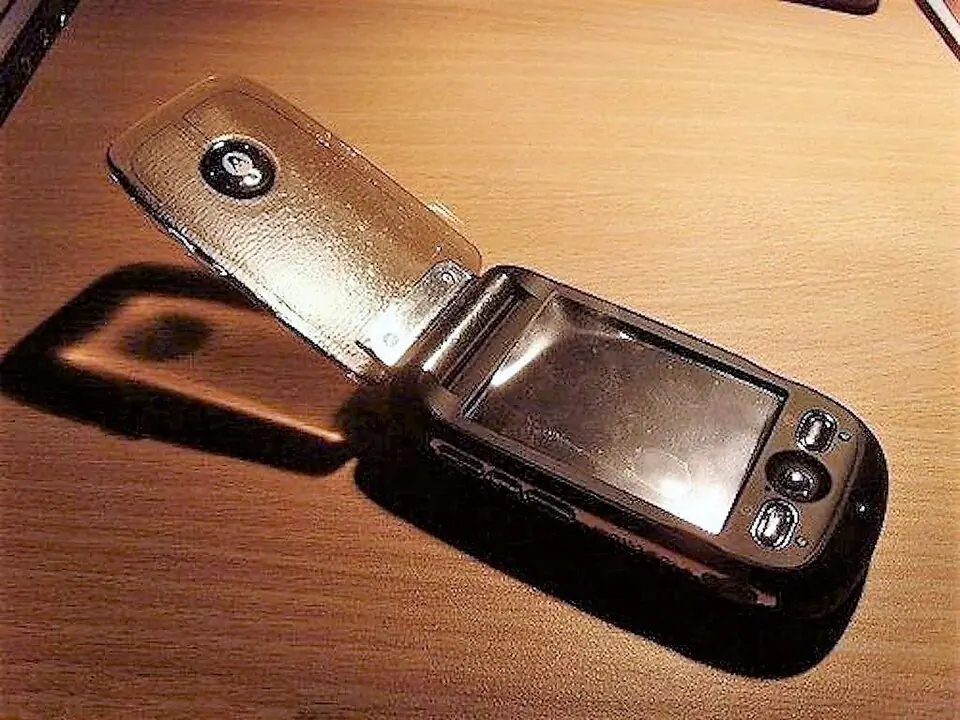
A1200 MING combines a transparent cover, handwriting touchscreen and Linux platform, representing Motorola’s distinctive business-phone design.

System family
Linux
Motorola Atrix 4G

Motorola

Atrix 4G

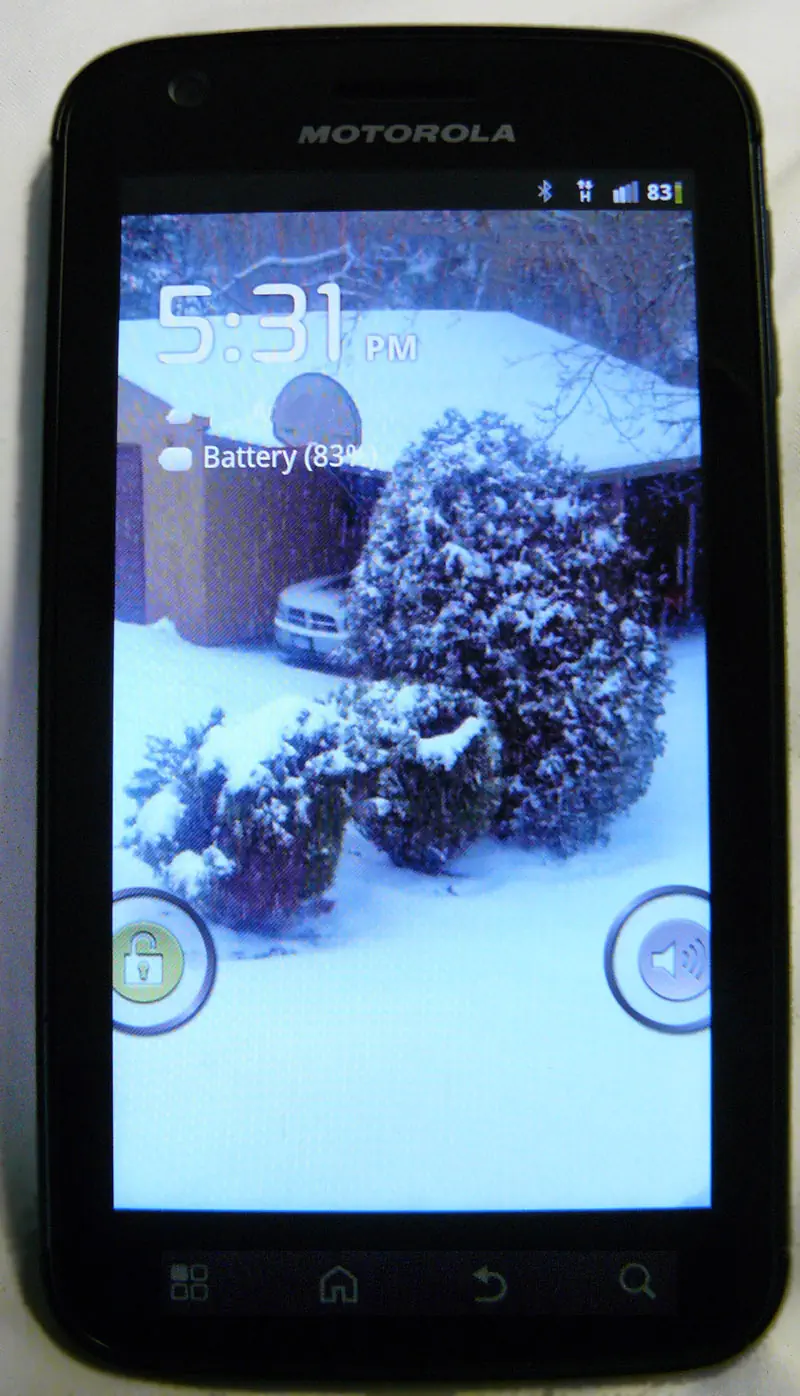
The Atrix 4G combines Tegra 2, 1 GB RAM, a qHD display and a fingerprint power button. Optional Lapdock and Webtop extend the phone into a desktop-browser setup; its original AT&T 4G branding refers to HSPA+.

System family
Android
Motorola Defy

Motorola

Defy

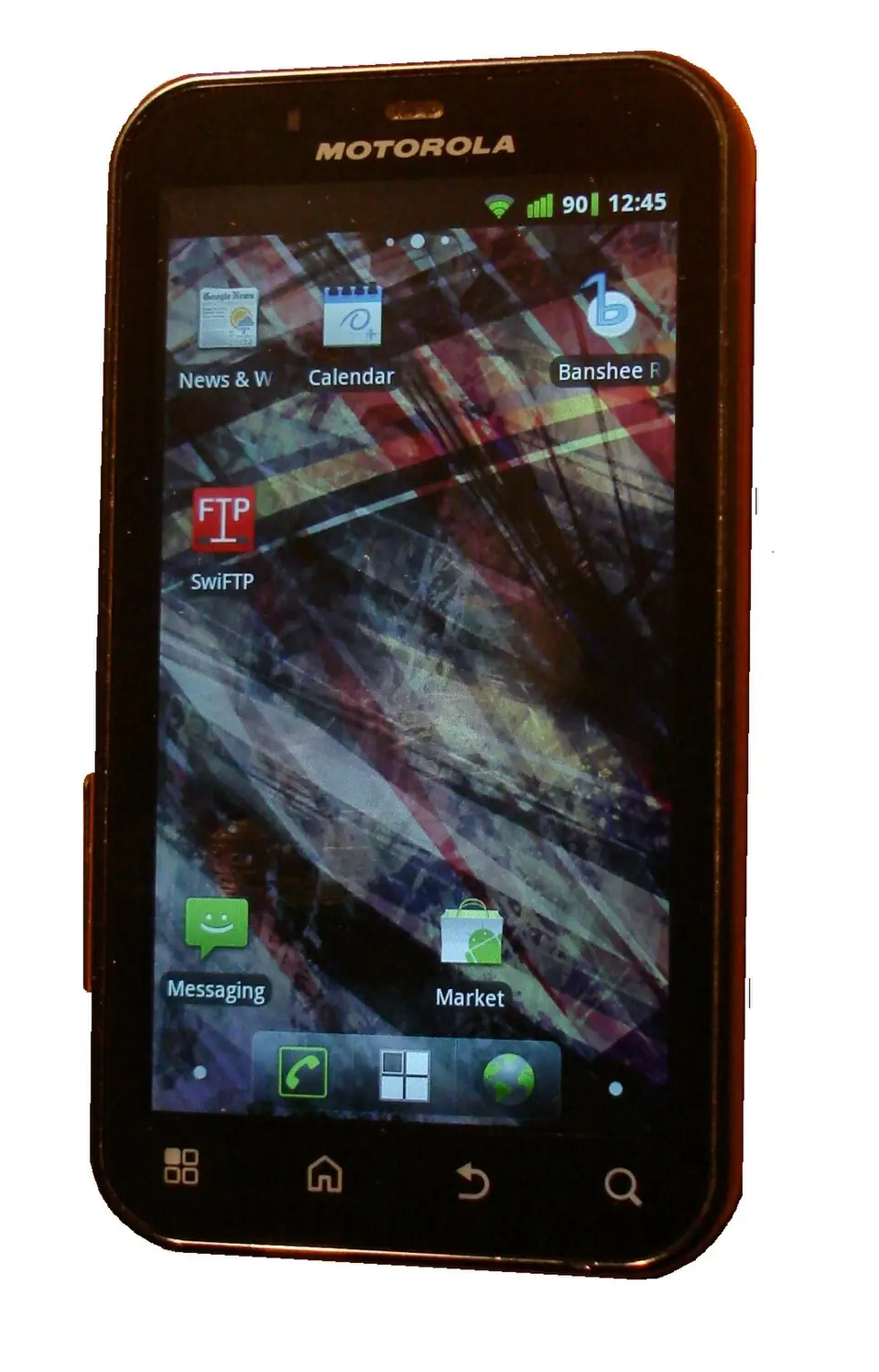
The original 2010 Defy MB525 combines a 3.7-inch touchscreen, an 800 MHz processor and a compact body with protective port covers. Its factory guide describes IP67, while launch software uses Android 2.1 and MOTOBLUR.

System family
Android
Motorola E398

Motorola

E398

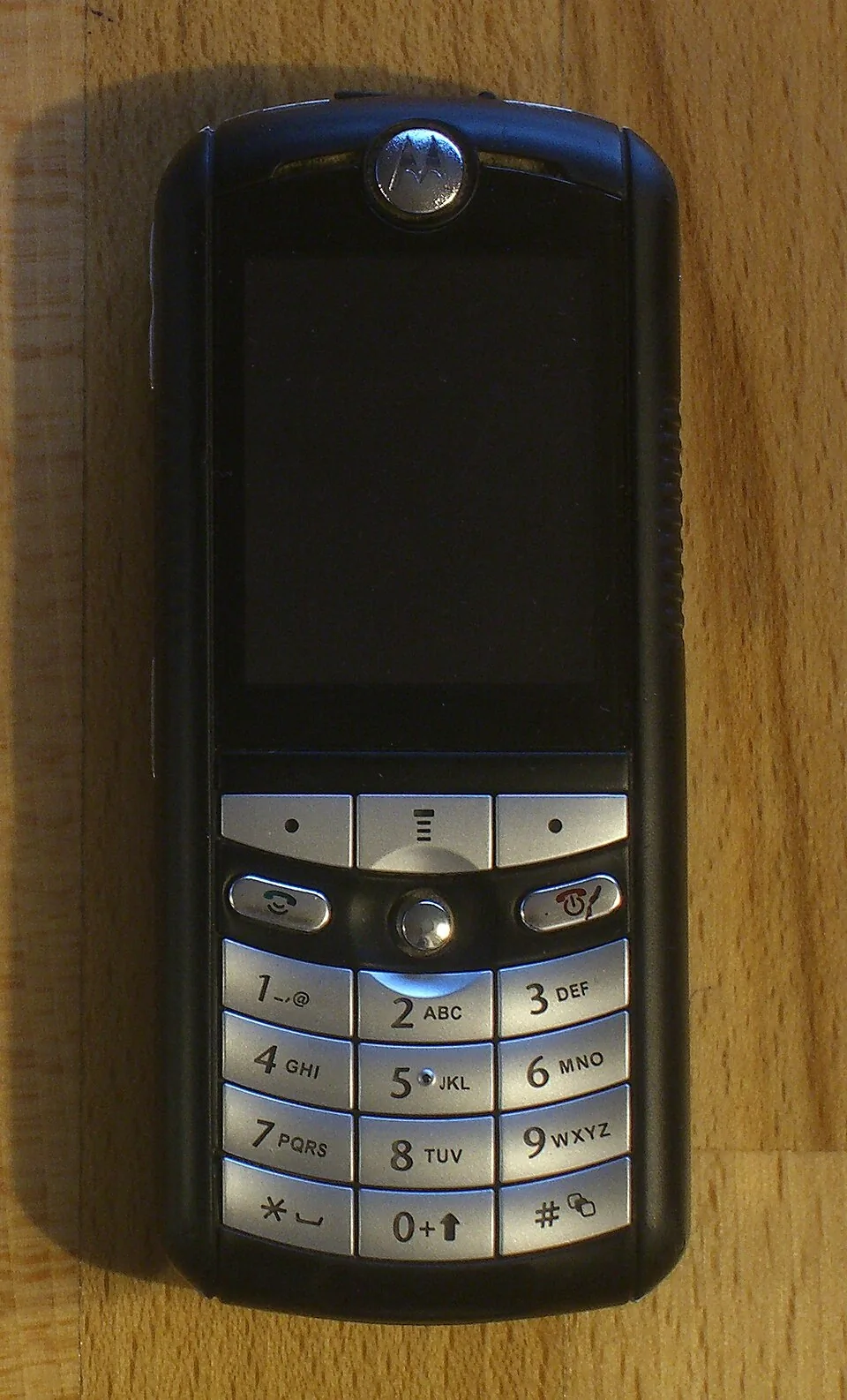
The 2004 E398 combines dual stereo speakers, music-reactive lighting and TransFlash expansion; this record covers the European tri-band original.

System family
Proprietary systems
Motorola E6

Motorola

E6

The E6 combines Motorola’s Linux touch interface with a stylus, physical music controls, a 3.5 mm jack, full-size SD storage and a 2 MP camera with a macro switch. Document viewing and business-card recognition broaden its music-phone role.

System family
Linux