Motorola
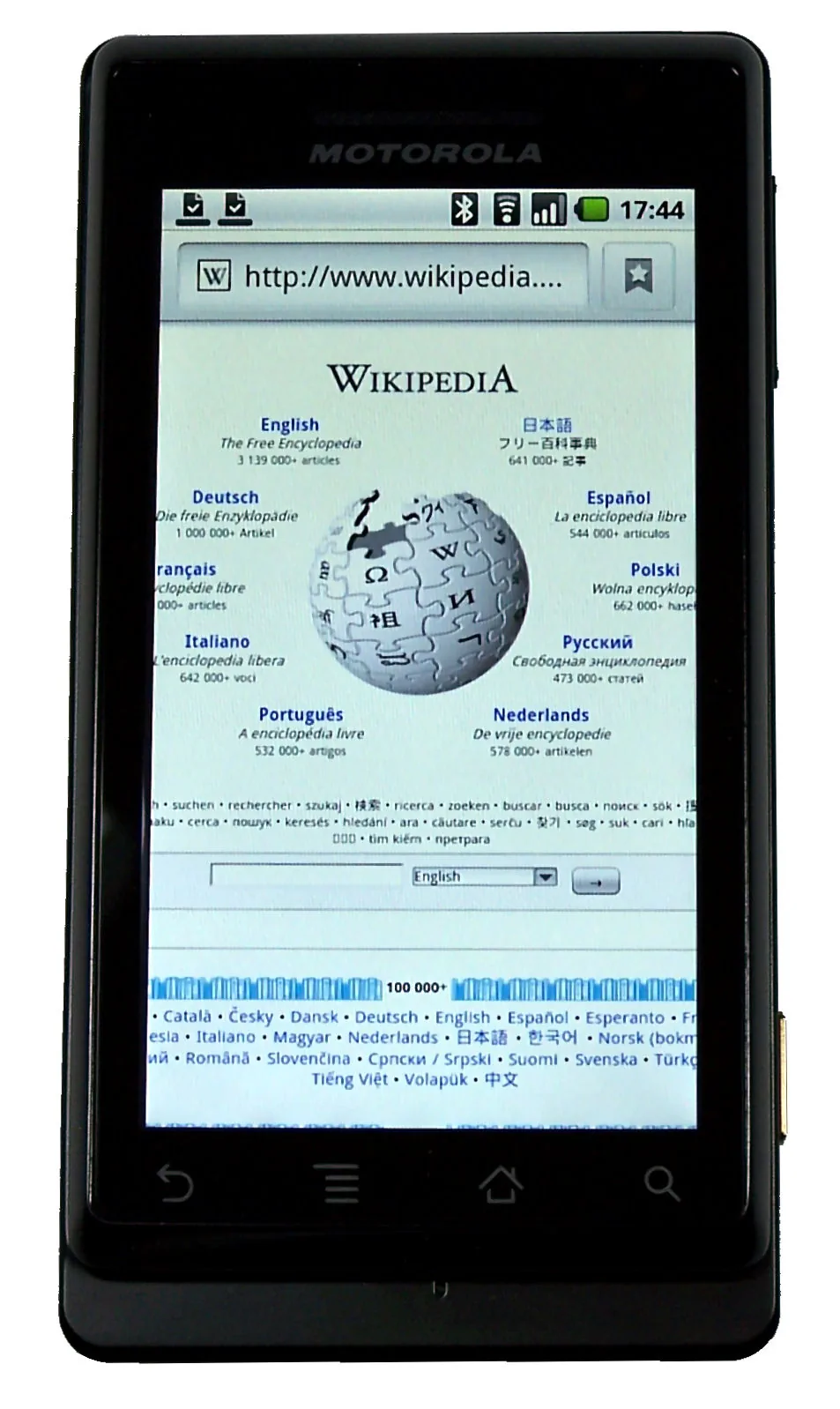
Milestone
The Milestone combines Android 2.0, a 3.7-inch touchscreen and a landscape QWERTY slider. Its GSM / UMTS configuration remains distinct from the visually similar US CDMA Droid.
TECHNOLOGY ARCHIVE · EST. 2026
HARDWARE ARCHIVE
Browse device specifications, operating systems, product history, and related technical articles by brand and model.
Motorola
The Milestone combines Android 2.0, a 3.7-inch touchscreen and a landscape QWERTY slider. Its GSM / UMTS configuration remains distinct from the visually similar US CDMA Droid.
Motorola
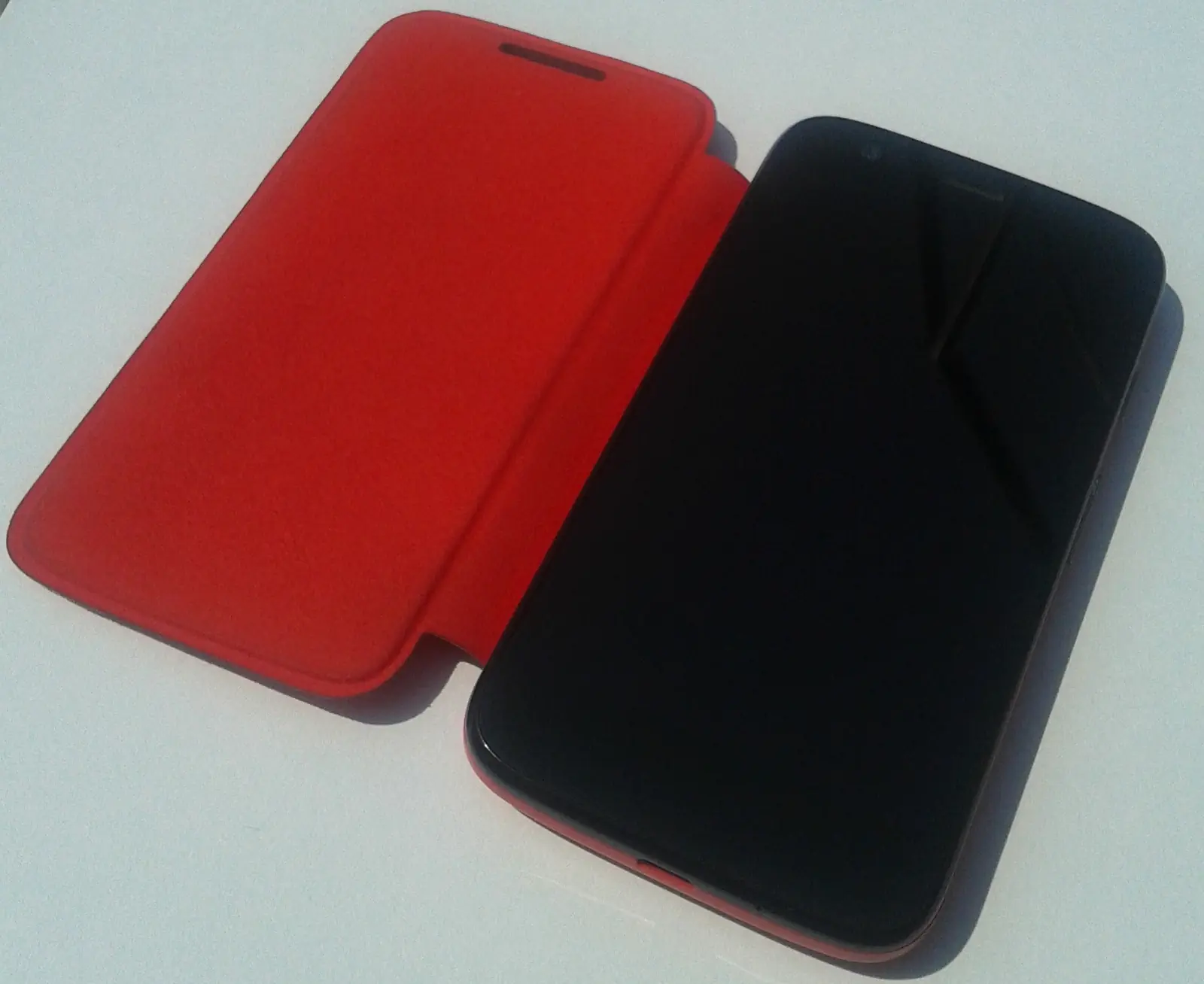
Announced in 2013, the first Moto G combines a 4.5-inch 720p IPS display, quad-core Snapdragon 400 and Android 4.3. Its original 3G design has no card slot; a replaceable shell is distinct from the fixed battery.
Motorola
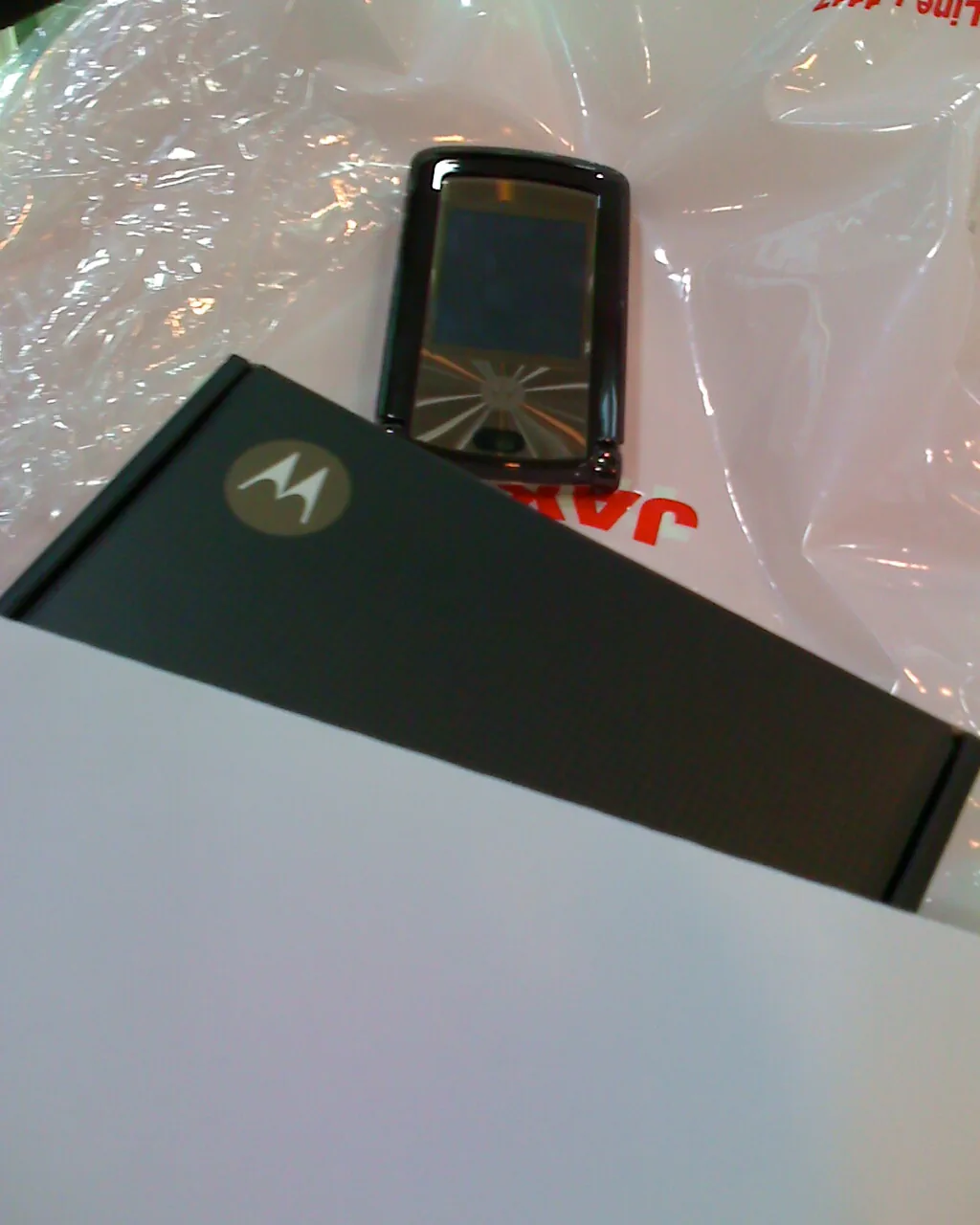
Motorola’s 2007 RAZR2 V8 combines metal and glass with 2.2-inch inner and 2-inch outer screens and haptic music controls. Linux/Java, quad-band GSM/EDGE and Micro-USB belong to V8; V9 radios and card expansion remain separate.
Motorola
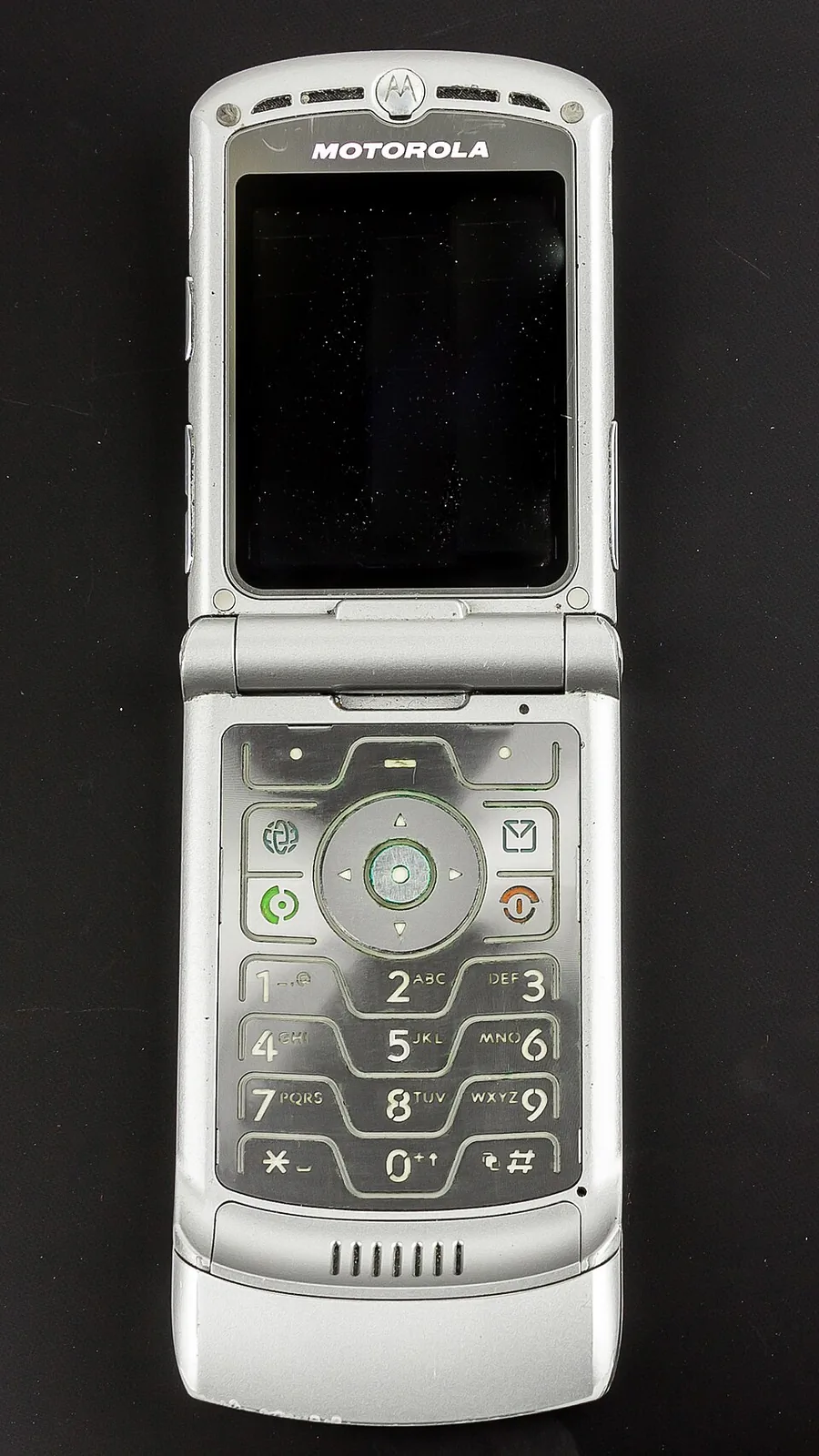
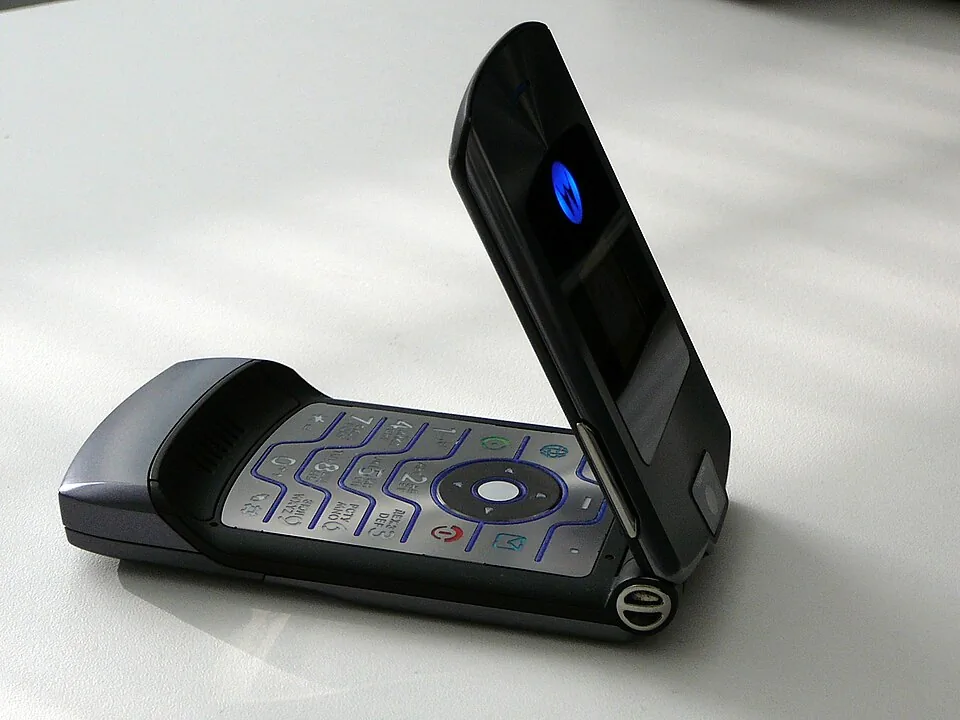
The original GSM RAZR V3 is distinguished by its thin metal clamshell, etched keypad and two displays.
Motorola
RAZR V3i adds a 1.23MP camera and microSD to the metal clamshell, with music-player configurations varying by market.
Motorola
The ROKR E2 combines Linux, physical music controls, a 3.5 mm headset socket and full-size SD storage. Its native music software differs from the E1’s iTunes implementation.
Motorola
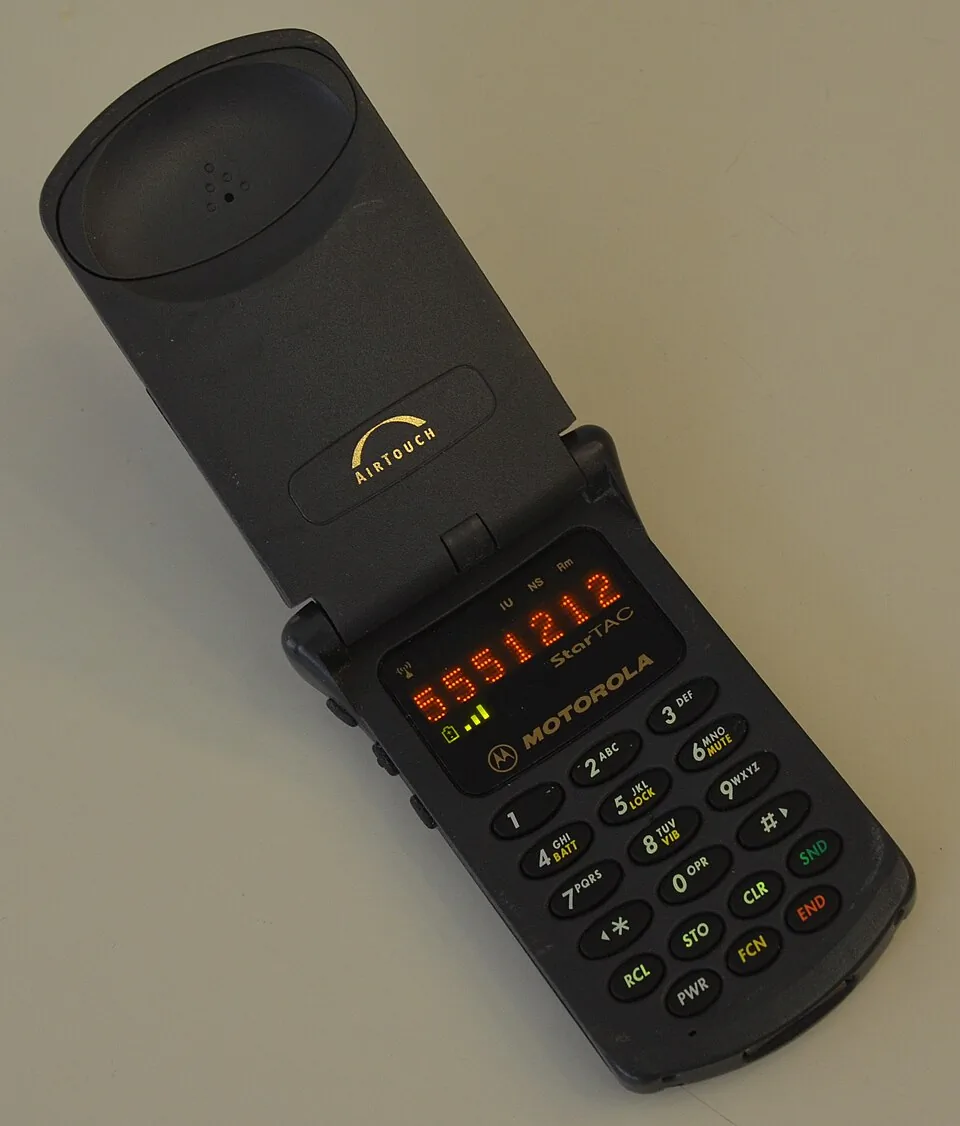
The StarTAC’s folding two-part body and wearable carrying idea made it a recognizable 1990s handset. This archive uses the early 1996 AMPS 8500 as its baseline, with a separately captioned GSM photograph for comparison.
Motorola
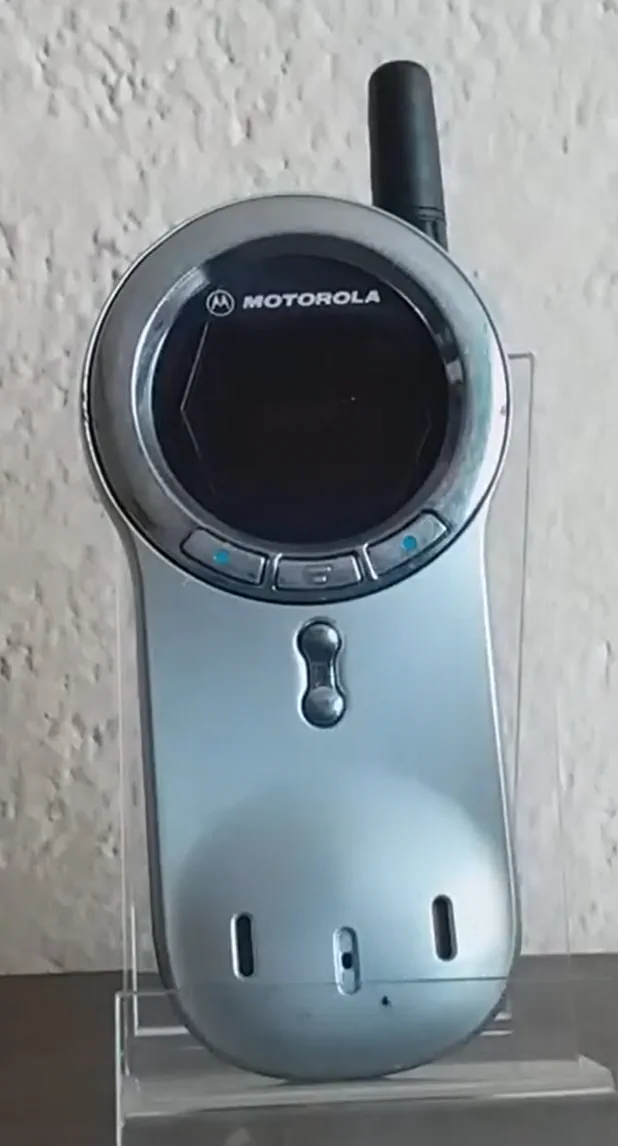
Motorola’s 2002 rotating-cover V70 uses a circular-looking window over a rectangular inverse LCD. Regional radios, removable batteries and accessory connections are checked against maker documents and contemporary firsthand reviews, separately from V80 and Aura.
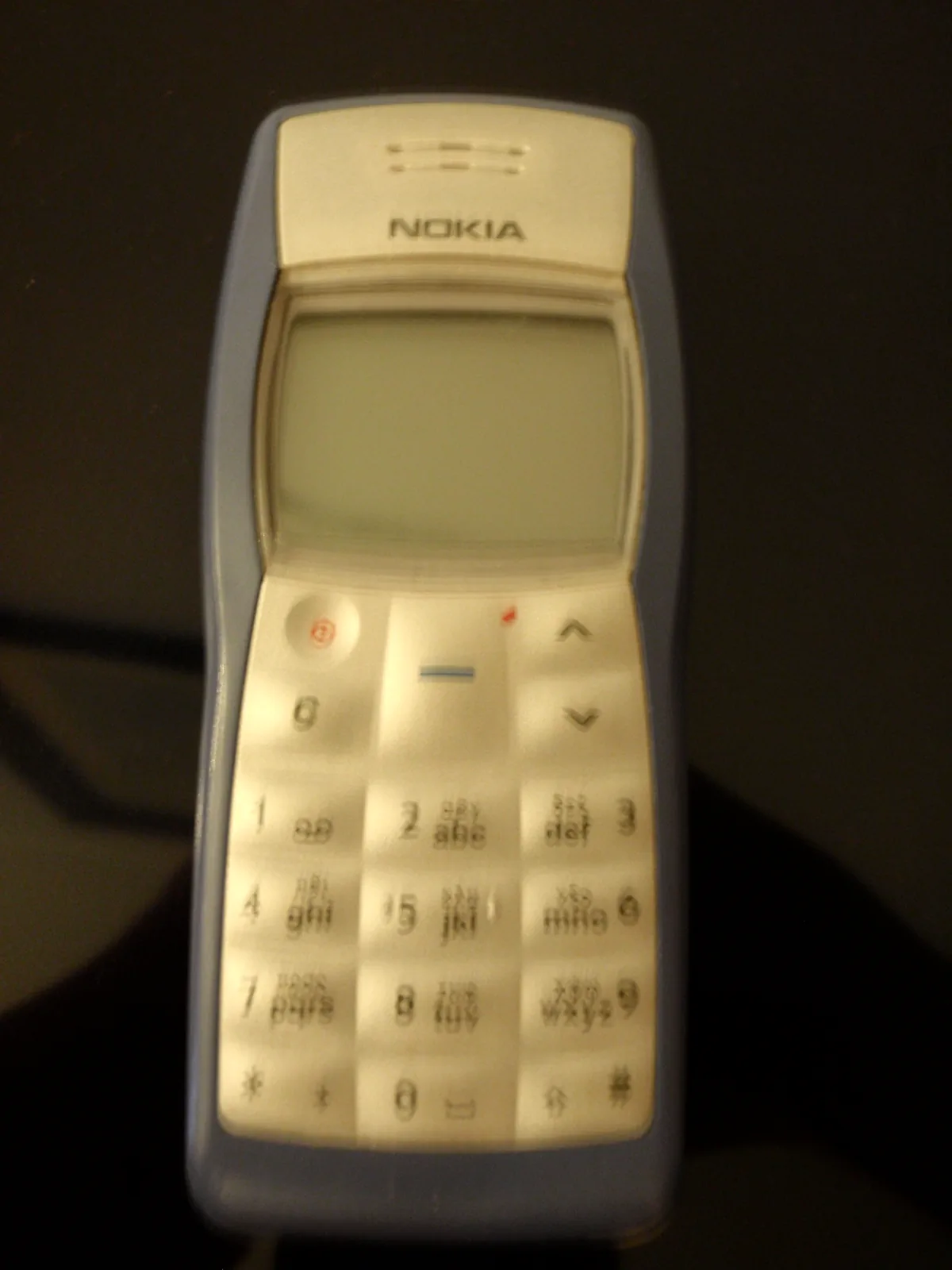
Nokia
Nokia’s 2003 entry-level 1100 combines a 96 × 65 monochrome screen, single Navi key, silicone keypad, top flashlight and removable BL-5C. Regional dual-band versions and conflicting launch/review weights are distinguished.
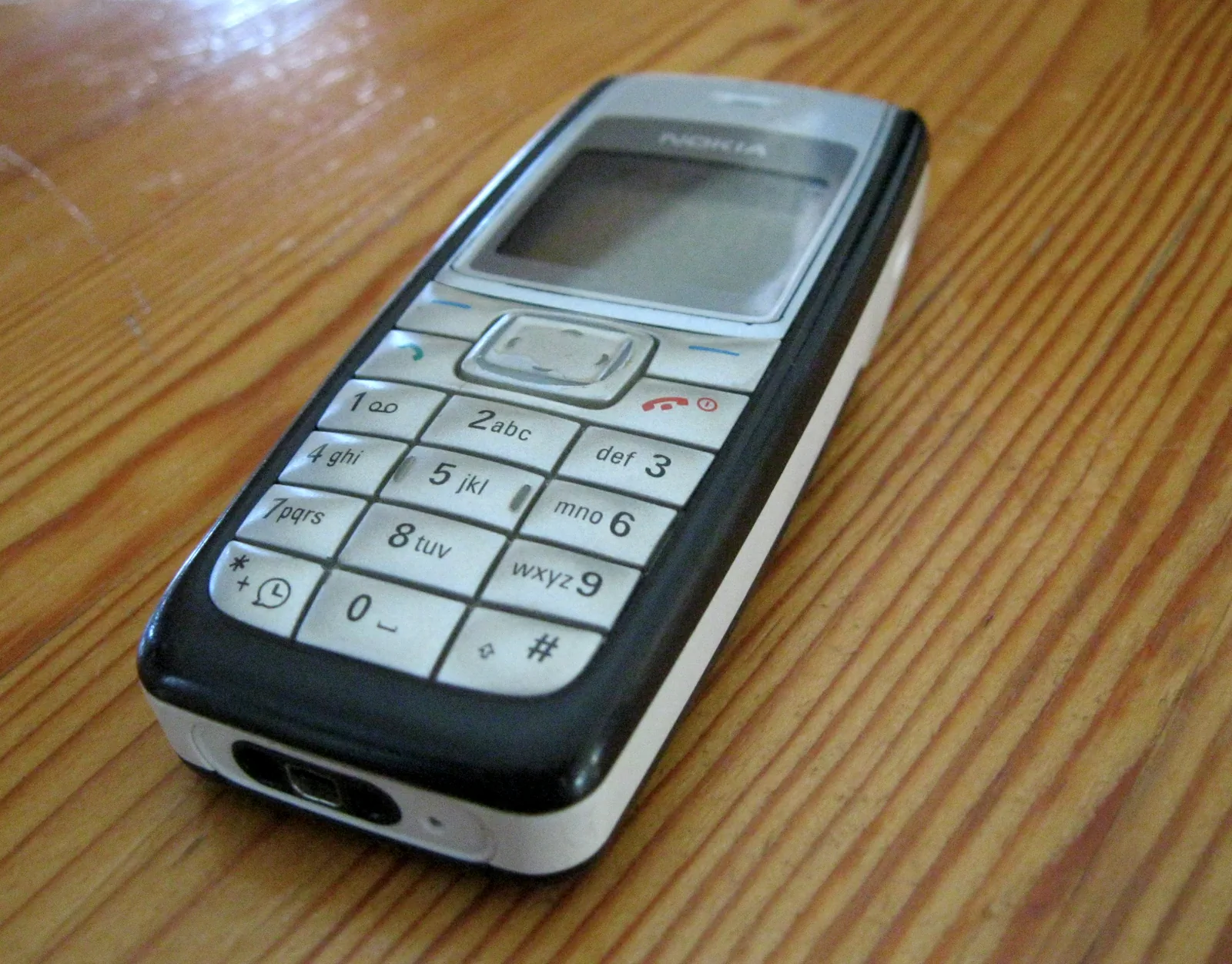
Nokia
Announced in 2005, the Nokia 1110 pairs an inverted monochrome screen with rubber keys, changeable covers and speaking time announcements. Original RH-70 radio bands, dedicated connectors and BL-5C / BL-5CA documentation are kept distinct.
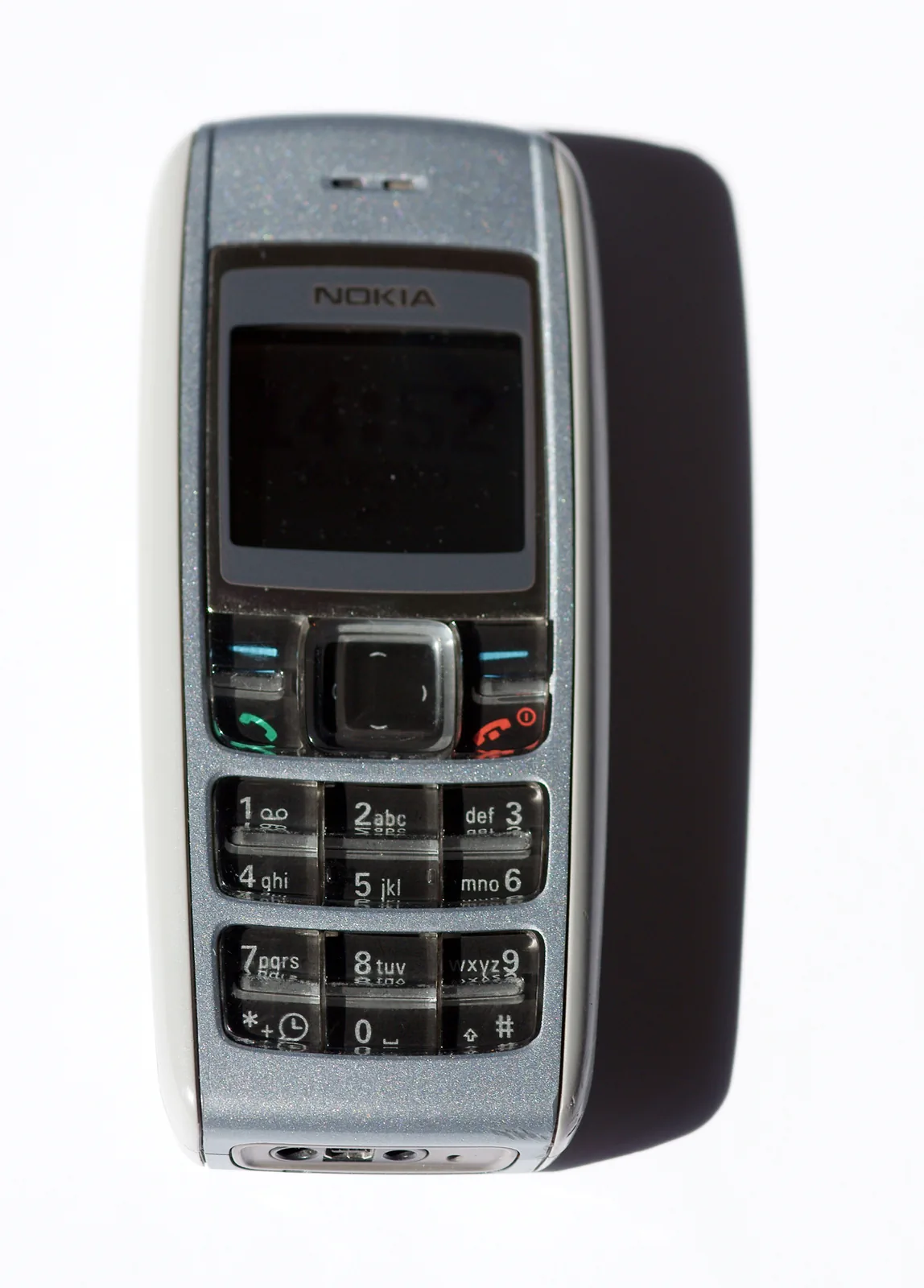
Nokia
The Nokia 1600 is a 2005 entry-level candybar with a 96 × 68 colour screen, transparent numeric keys, speaking clock and preset polyphonic sounds. Official 85 g weight and removable BL-5C are verified separately; its dedicated connector is not USB.
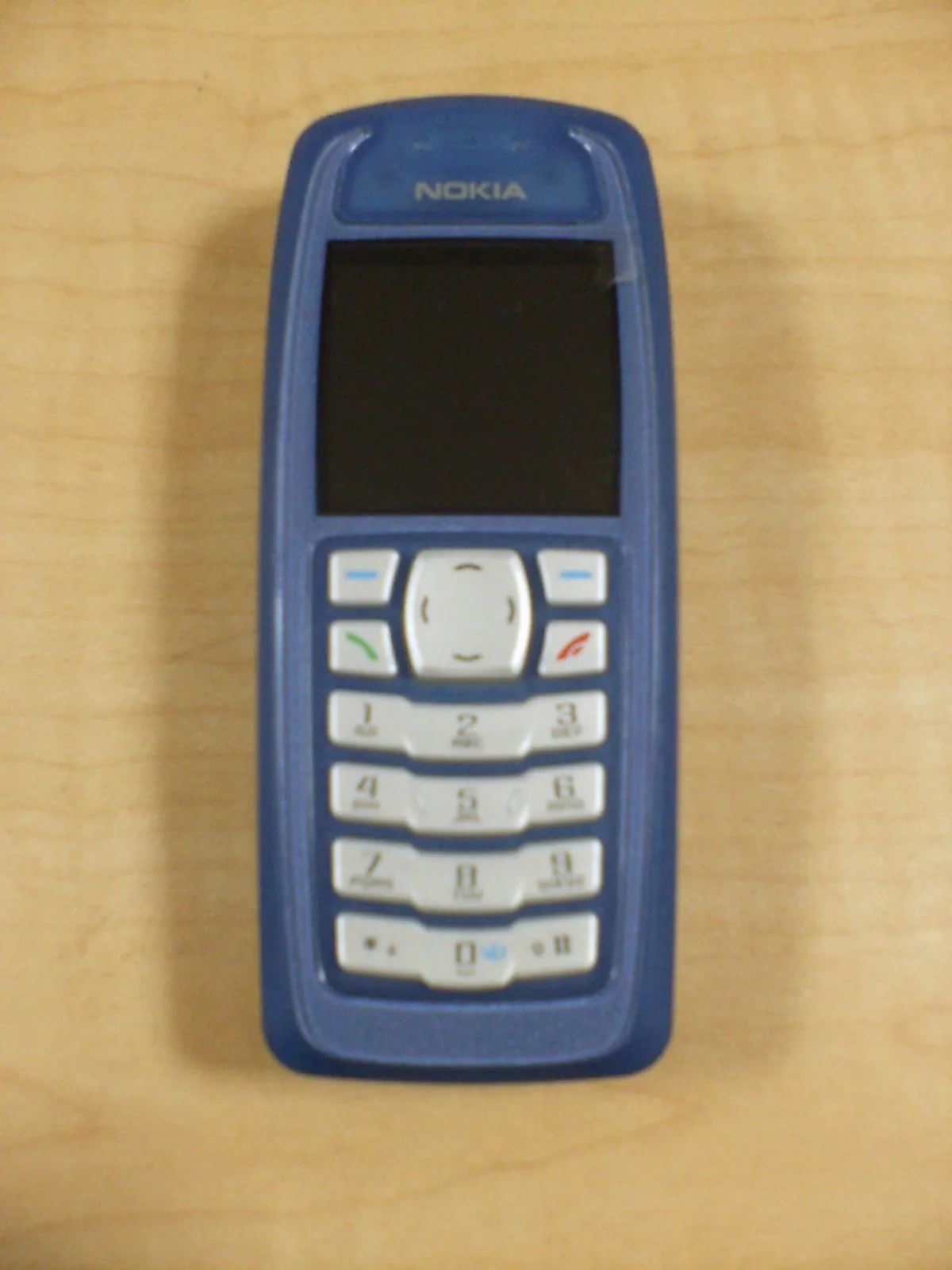
Nokia
Nokia’s 2003 Series 40 colour candybar 3100 combines a 128 × 128 / 4096-colour display, four-way navigation and translucent replaceable glow-in-the-dark covers. Regional tri-band models, Pop-Port and optional camera/radio accessories are distinguished.