Sony
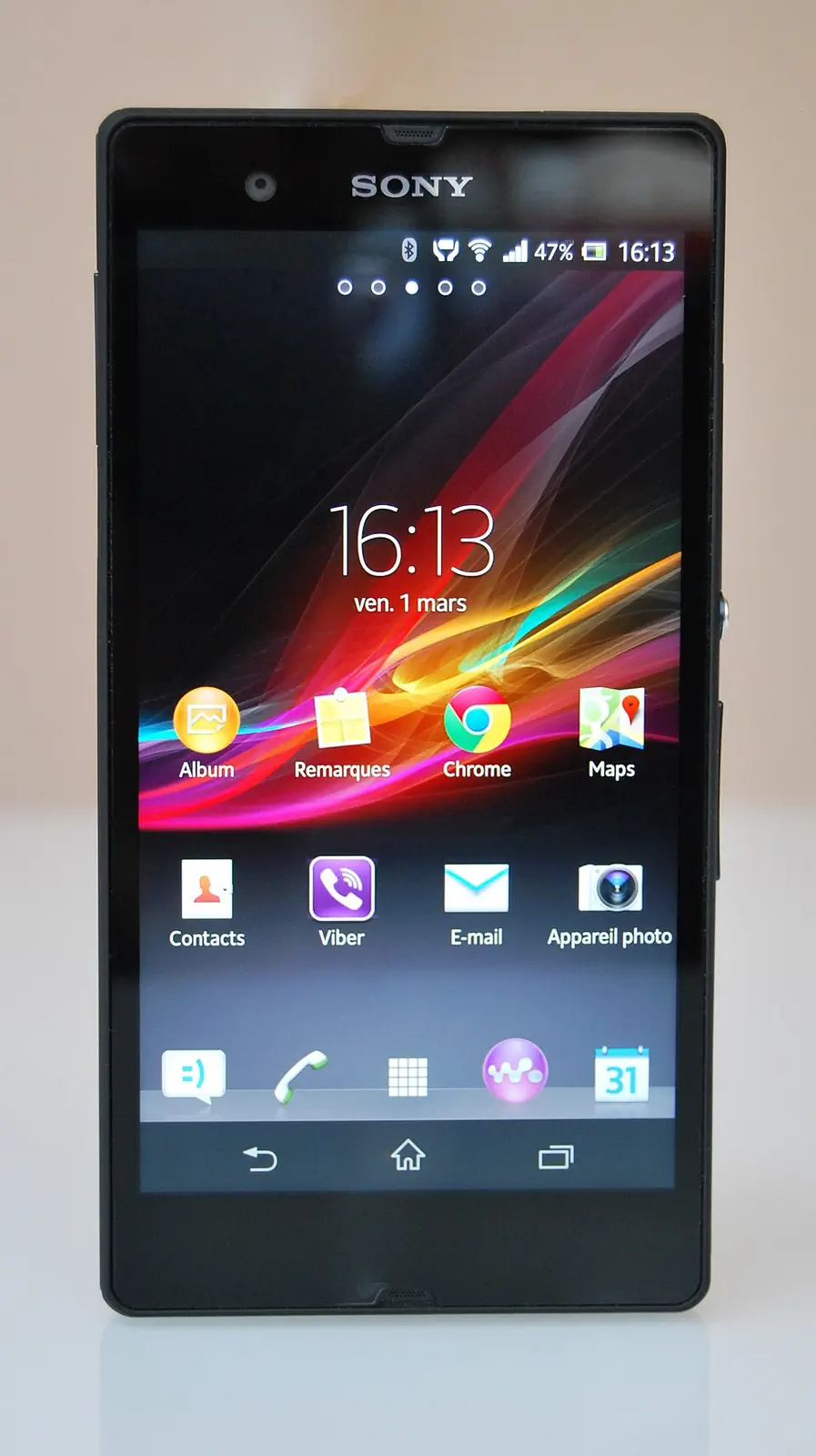
Xperia Z
The 2013 Xperia Z combines a 5-inch 1080p screen, quad-core Snapdragon S4 Pro, Exmor RS camera and IP55/IP57 protection. Glass panels and a round side power key distinguish it; C6603 LTE and C6602 HSPA+ remain separate radio versions.
TECHNOLOGY ARCHIVE · EST. 2026
HARDWARE ARCHIVE
Browse device specifications, operating systems, product history, and related technical articles by brand and model.
Sony
The 2013 Xperia Z combines a 5-inch 1080p screen, quad-core Snapdragon S4 Pro, Exmor RS camera and IP55/IP57 protection. Glass panels and a round side power key distinguish it; C6603 LTE and C6602 HSPA+ remain separate radio versions.
Sony
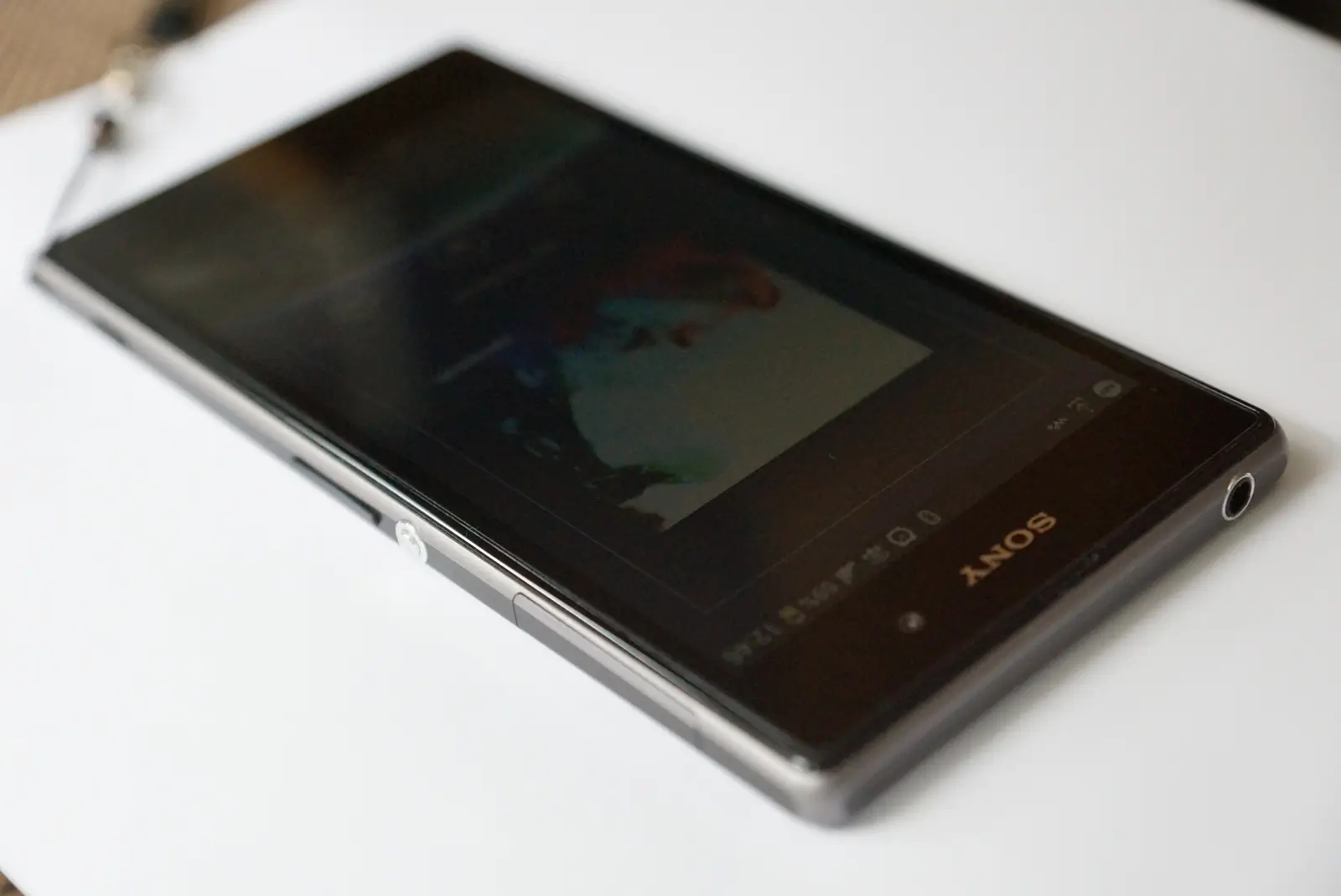
The 2013 Xperia Z1 combines a5-inch Full HD screen, aluminium-and-glass OmniBalance body,20.7 MP G lens and two-stage shutter. C6903 radio scope,3000 mAh minimum capacity and original IP55/IP58 conditions are documented separately.
Sony
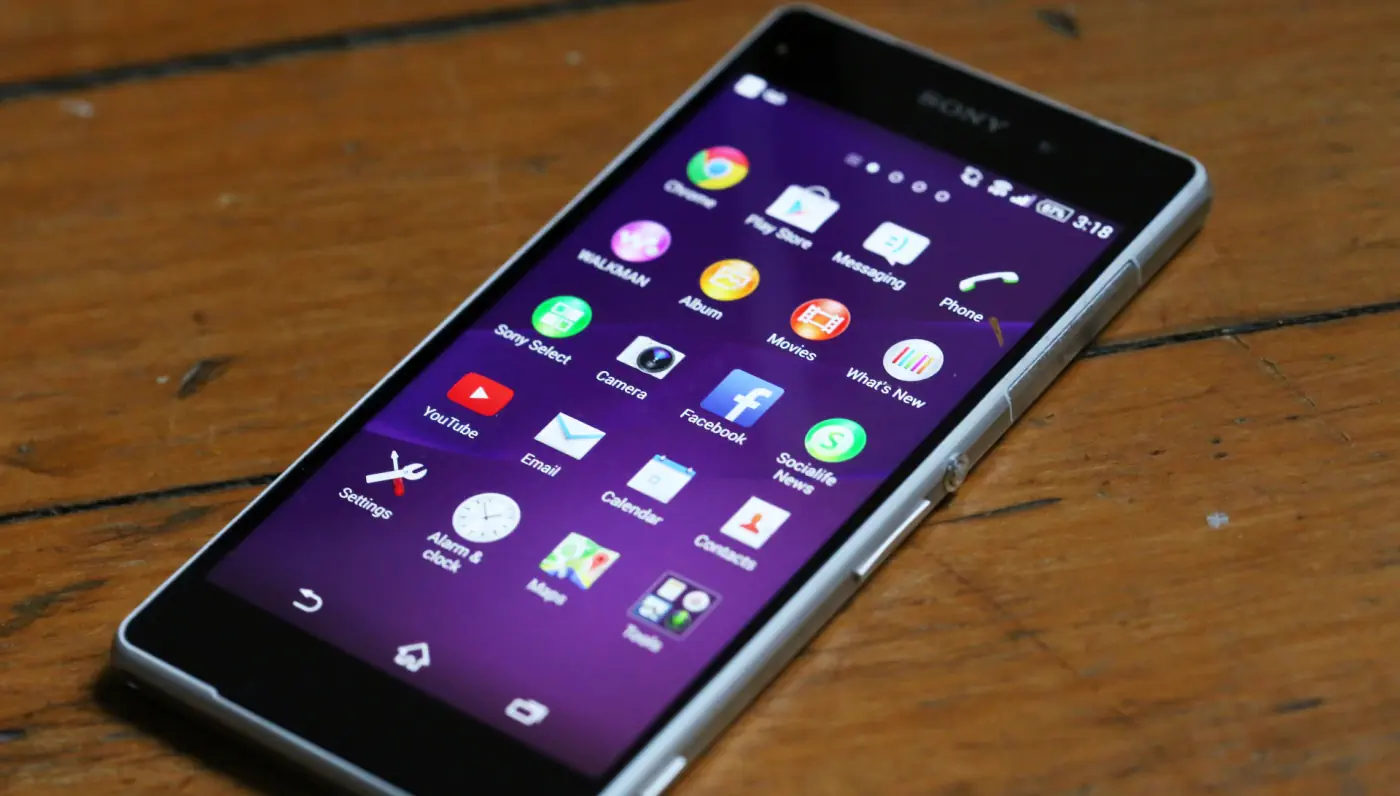
The 2014 Xperia Z2 adds a5.2-inch Full HD IPS screen,3 GB RAM,3200 mAh battery, front stereo speakers and4K30 recording. Regional networks, card-limit documentation, compatible-headset noise cancellation and original IP55/IP58 conditions remain scoped.
Sony
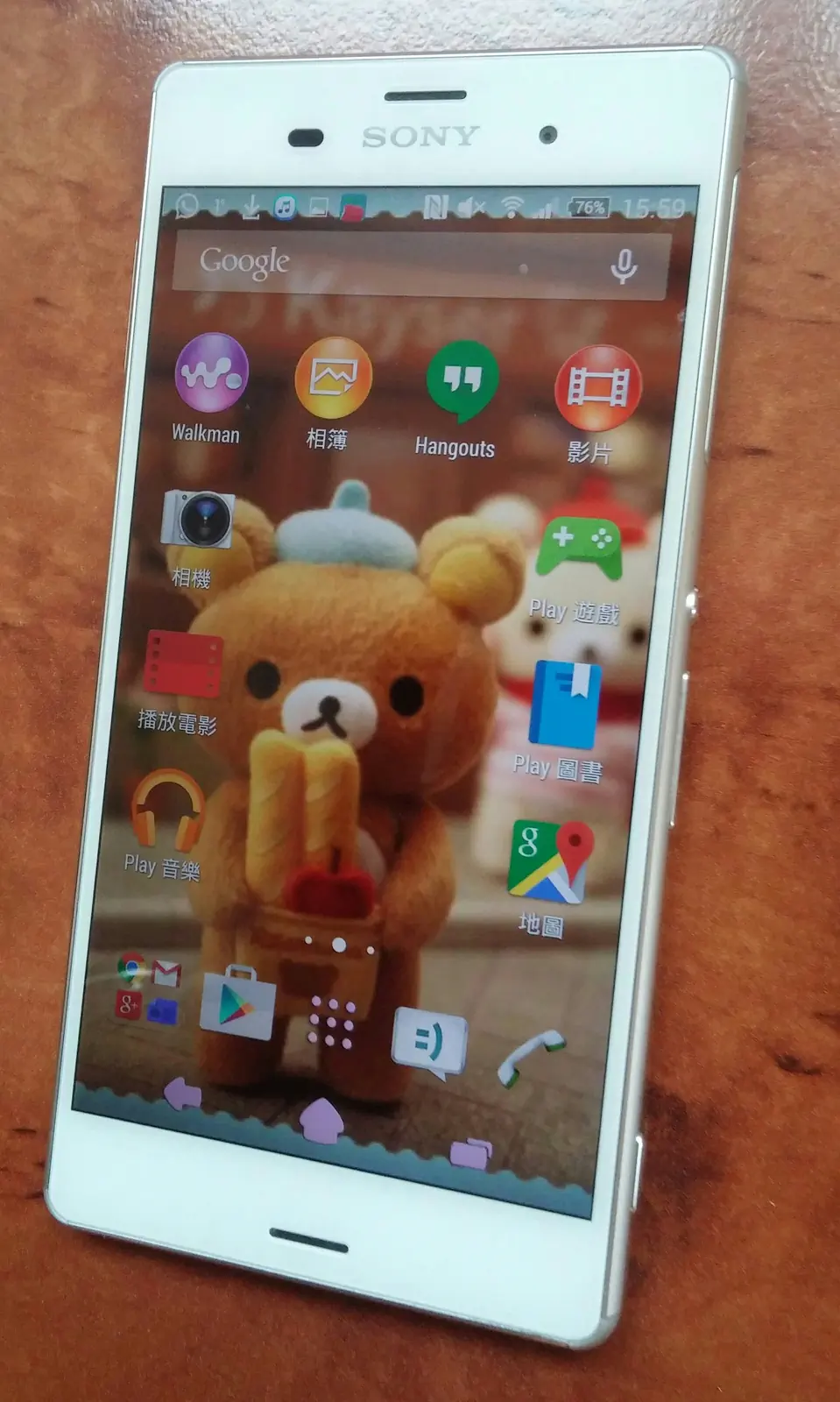
Sony’s 2014 Xperia Z3 combines rounded aluminium, a5.2-inch Full HD IPS display, Snapdragon801, 3GB RAM, front stereo speakers and a20.7MP camera. SIM type, regional storage, original IP65/IP68 conditions and later white-paper revisions remain distinct.
Sony
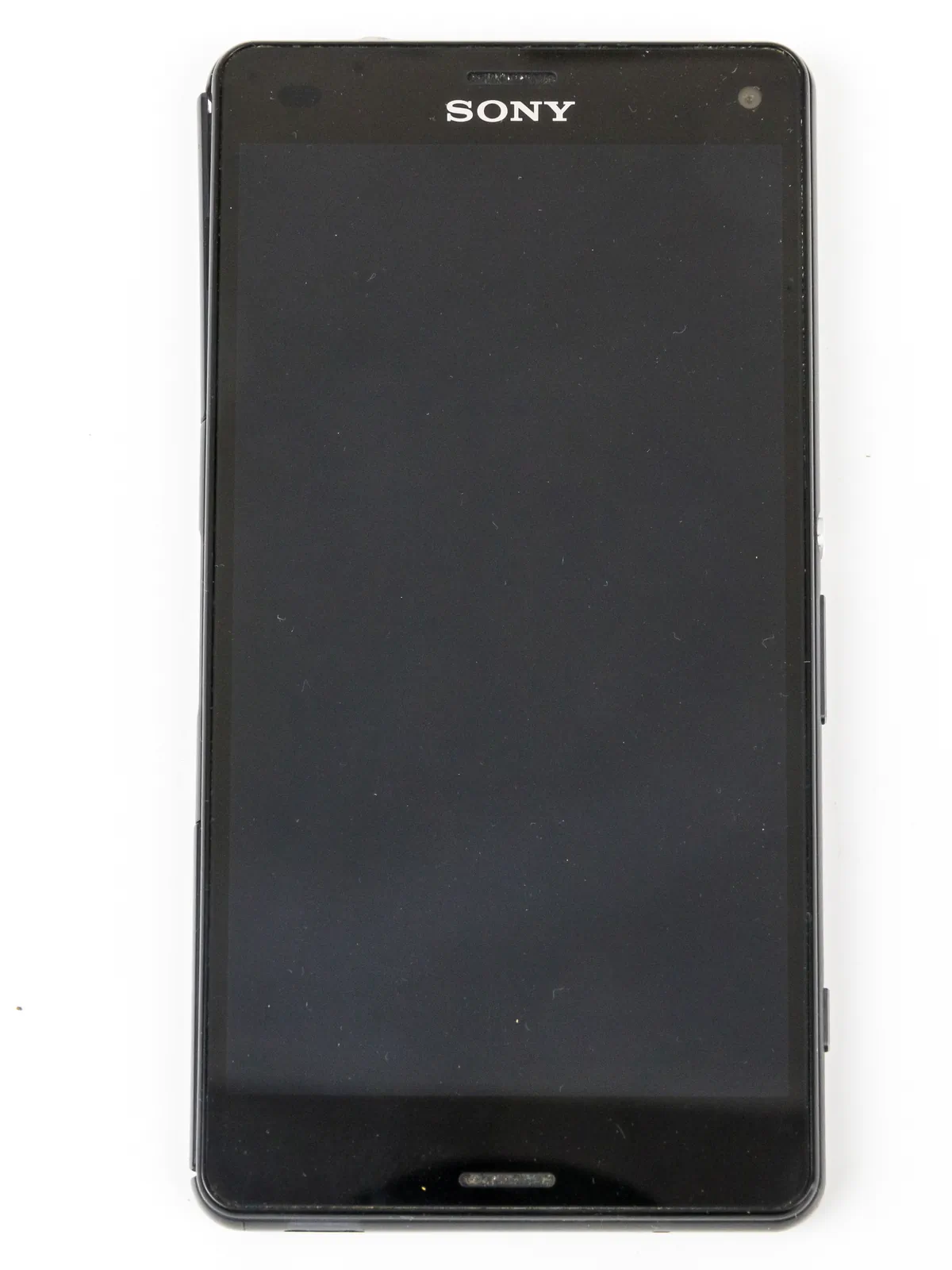
Xperia Z3 Compact combines a 4.6-inch display with Snapdragon 801, 2 GB RAM, a 20.7 MP camera and front stereo speakers. Glass/plastic construction, expandable flash and launch-versus-update details are recorded.
Sony Ericsson
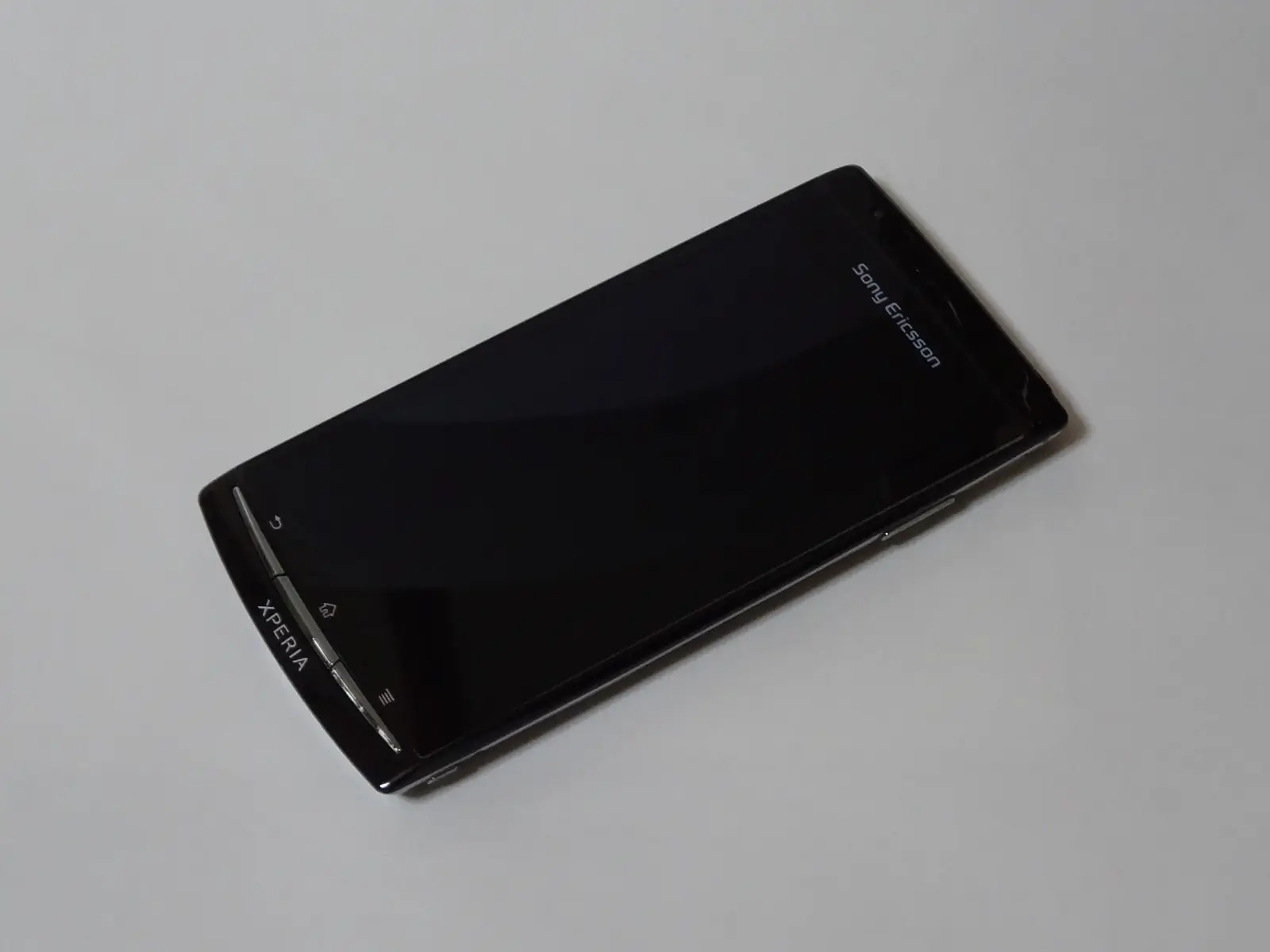
Sony Ericsson’s 2011 Xperia arc combines a curved body, 4.2-inch FWVGA TFT, Mobile BRAVIA Engine, 8.1 MP Exmor R camera and Micro-HDMI. International LT15 and Japanese SO-01C measurements and regional networks are distinguished.
Sony Ericsson
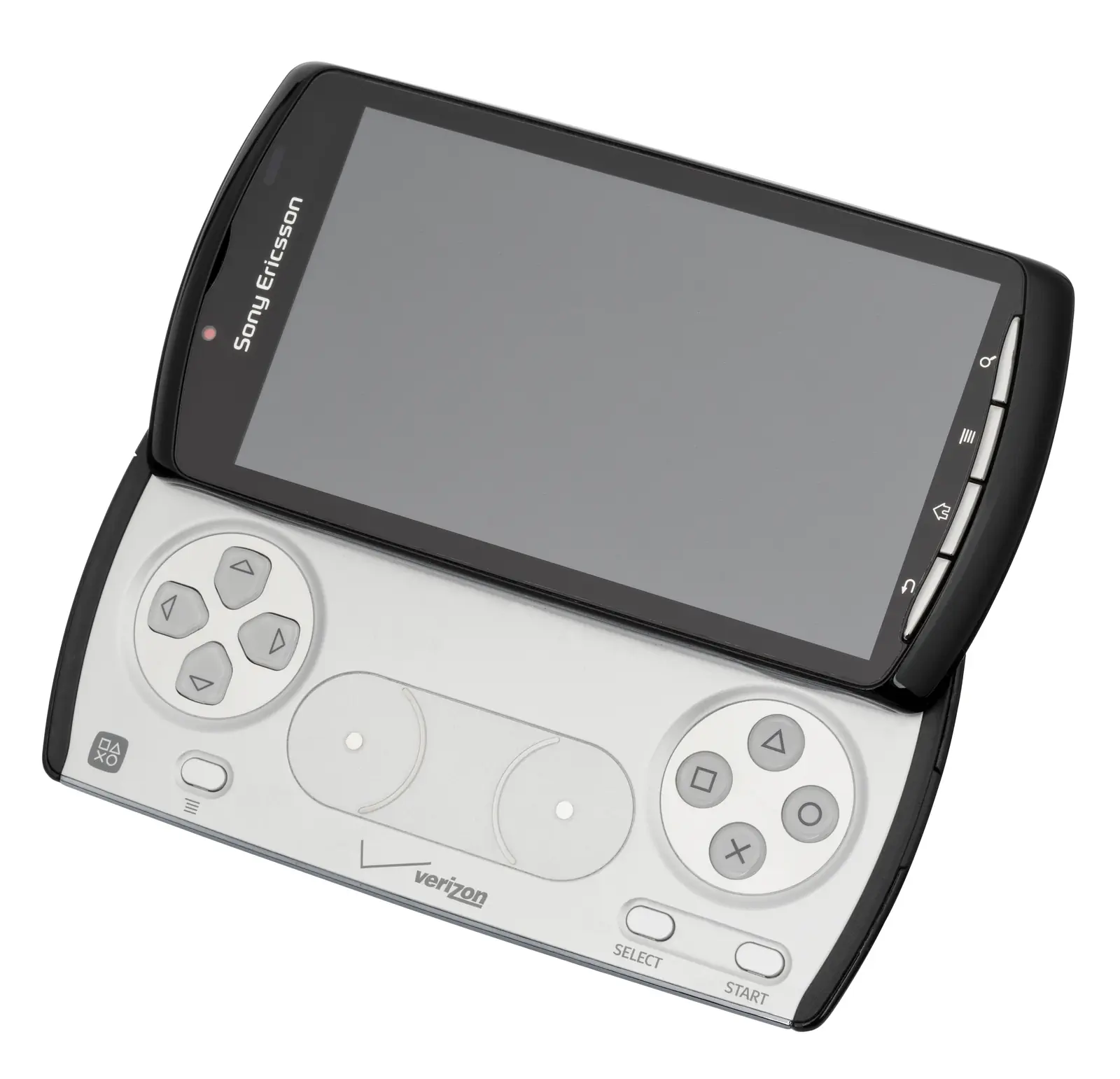
Sony Ericsson’s 2011 Xperia PLAY combines a sliding game controller, PlayStation symbol buttons, two analogue touchpads, stereo speakers and a 4-inch FWVGA TFT. GSM/CDMA models, usable storage and RAM, and original versus later video capabilities are distinguished.
vivo
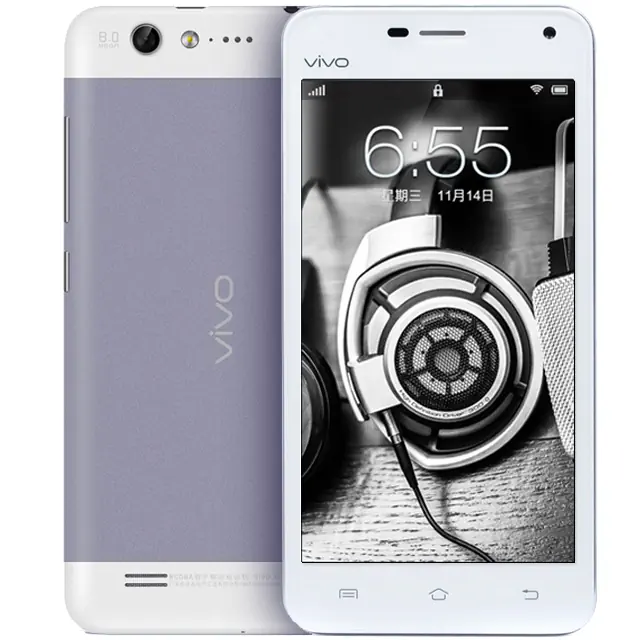
X1 represents vivo’s early Hi-Fi phones, combining a 6.55 mm body, CS4398 / CS8422 audio stage, dual-core MT6577 platform, 4.7-inch qHD IPS display and fixed 2000 mAh battery.
vivo
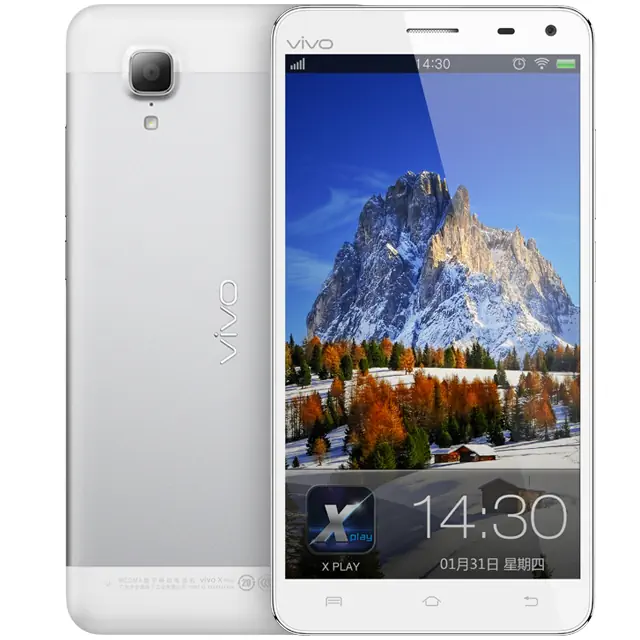
First-generation Xplay combines a 5.7-inch Full HD LTPS LCD, Snapdragon 600, 2 GB RAM, 3400 mAh battery and rear stereo speakers; its CS4398 / CS8422 audio stage gains an OPA2604 amplifier.
Xiaomi
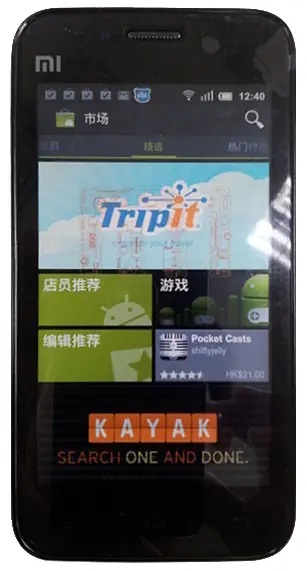
The original 2011 Mi One combines MIUI, dual-core 1.5 GHz MSM8260, 1 GB RAM and a configurable Mi key. Its 4-inch display, replaceable battery and microSD slot reflect early Android enthusiast hardware.
Xiaomi
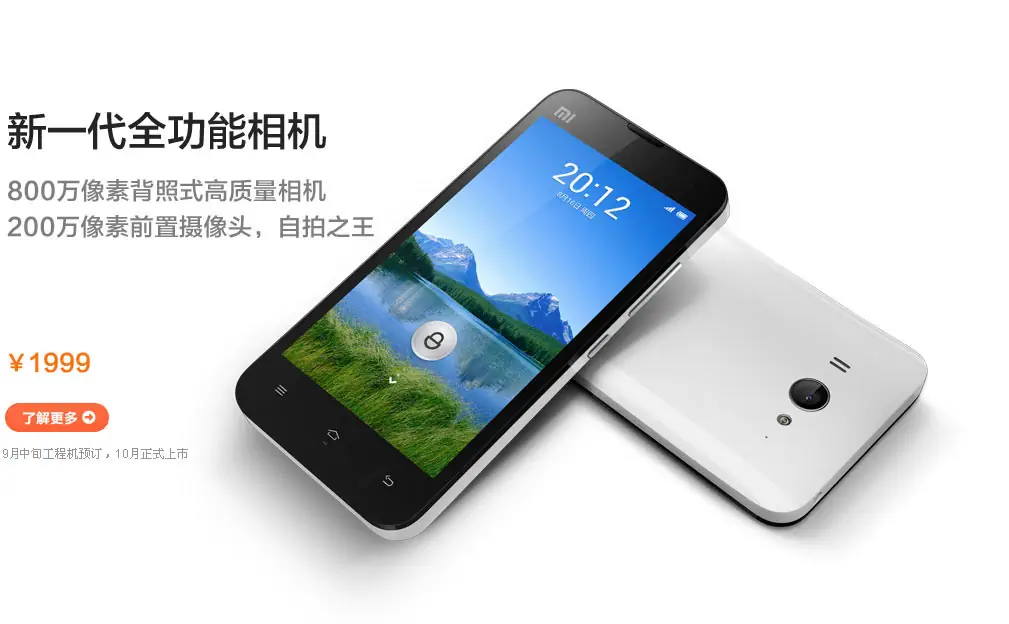
The 2012 Mi 2 moves to quad-core Snapdragon S4 Pro, 2 GB RAM and a 4.3-inch 720p IPS display. It adds a front camera and keeps a replaceable battery and mini-SIM, with 16/32 GB storage replacing microSD expansion.
Xiaomi
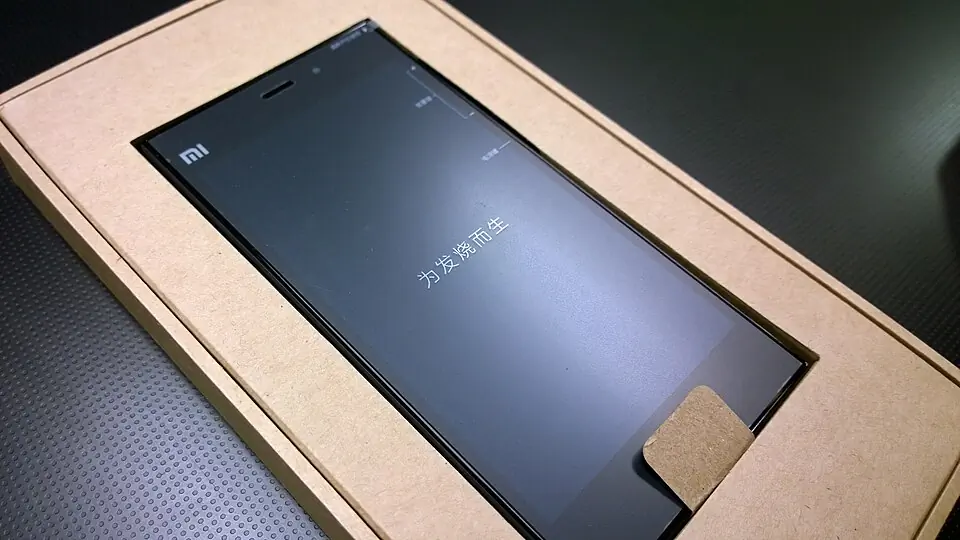
The 2013 Mi 3 brings a 5-inch 1080p display, 2 GB RAM, 13 MP camera and fixed 3050 mAh battery. China Mobile uses Tegra 4; Unicom and Telecom use different Snapdragon 800 radio versions.