Nokia
8800
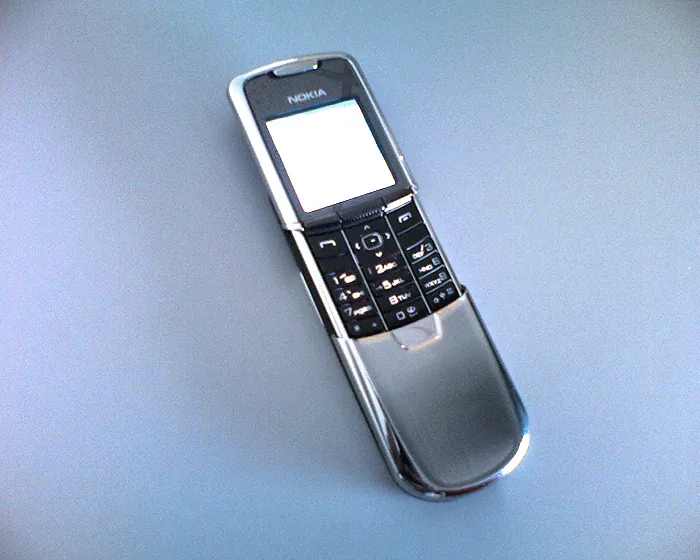
Original 8800 centres on stainless steel, a spring-assisted slider and Ryuichi Sakamoto audio, combining Series 40, SVGA imaging, FM and Bluetooth stereo with a distinctive physical design.
Sign into save this entry.
- Platform
- Series 40 feature phone
- Operating system
- Series 40 second generation
Overview
Original 8800 centres on stainless steel, a spring-assisted slider and Ryuichi Sakamoto audio, combining Series 40, SVGA imaging, FM and Bluetooth stereo with a distinctive physical design.
Period and variants
Nokia announced 8800 on 7 April 2005 with second-quarter availability in selected markets planned. The Americas 8801 and later Sirocco / Arte remain separate. Reinforced scratch-resistant glass is not sufficient evidence for sapphire. Original audio is credited to Ryuichi Sakamoto.
The guide describes approximately 52 MB Gallery capacity. Reviewed free space varies with software and bundled files and does not establish RAM. Actual photographs and both inspections support 800 × 600 SVGA capture; an inconsistent SXGA comparison label is rejected.
Bluetooth 1.2 includes A2DP / AVRCP, while wired audio is mono. Bluetooth music support does not establish stereo FM. The original has no card slot, infrared or consumer USB synchronization; internal service contacts are separate. Its removable 600 mAh BL-5X is kept distinct from Sirocco batteries. A second battery and desk stand describe the original documented package.
Sources
- Nokia — original 8800 release, 7 April 2005; Phys.org reproduction
- Nokia — original 8800 user guide, 2005; European tri-band version, mirror
- Mobile-review — actual original Nokia 8800 inspection, June 2005
- MForum — Roman Subbotin actual Nokia-supplied 8800 inspection, 6 May 2005
Image credit
Inash — Nokia 8800.jpg · CC BY-SA 2.0. Original file; no edits. Shared under the same licence.

Optimized display images on this page have been proportionally resized (maximum dimension 1600 px) and compressed to WebP, without cropping or retouching. Statements above about unchanged files refer to the preserved collected originals; attribution, sources and original licenses still apply. Originals: 1.
Images collected from the Internet.