Nokia
6230
6230 brings VGA imaging, MMC, MP3/AAC, stereo FM and EDGE into a compact numeric-key Series 40 phone, with Bluetooth, infrared and Pop-Port PC connectivity.
Sign into save this entry.
- Platform
- Series 40 feature phone
- Operating system
- Series 40 second generation
Overview
6230 brings VGA imaging, MMC, MP3/AAC, stereo FM and EDGE into a compact numeric-key Series 40 phone, with Bluetooth, infrared and Pop-Port PC connectivity.
Period and variants
Nokia announced 6230 on 28 October 2003 with first-quarter 2004 availability planned; the Polish launch followed in March. This is a Series 40 feature phone. Its VGA camera and 128 × 128 screen remain separate from 6230i. The 900 MHz and 850 MHz configurations are separate tri-band variants.
The 2004 brochure and issue-4 guide specify approximately 8 MB for files / Gallery, with separate Java space. This does not establish RAM. The supplied 32 MB full-size MMC sits beneath the battery; accessory examples do not establish a capacity ceiling. Media expansion does not permit installing Java applications on MMC.
Native stereo music, FM, USB data and charging serve separate purposes. The original 850 mAh BL-5C specification is kept distinct from later batteries sharing that model name. CPU, total RAM and wireless minor versions remain unspecified.
Sources
- Nokia — original 6230 announcement, 28 October 2003
- Nokia — 6230 original German product brochure, July 2004; technical page 1
- Nokia — extended 6230 user guide, part 9310205 issue 4; mirror
- GSMArena — Petr Broža actual multiweek Nokia 6230 review, 29 April 2004
- GSMArena — actual 6230 file-memory and Java inspection
- GSMOnline — original 24 March 2004 Polish launch report and technical material
Image credit
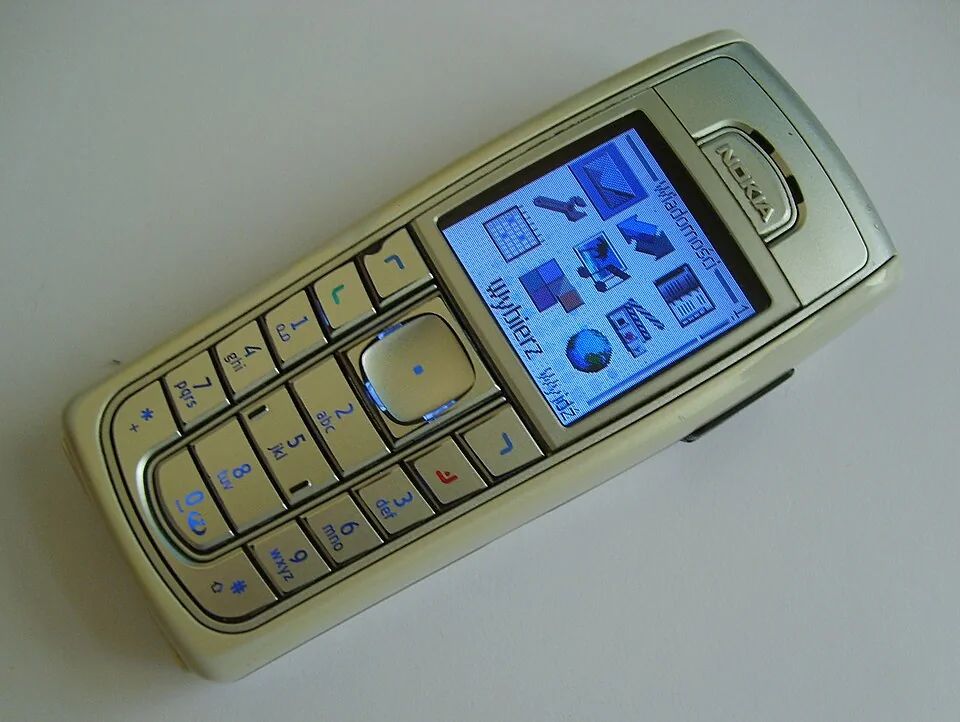
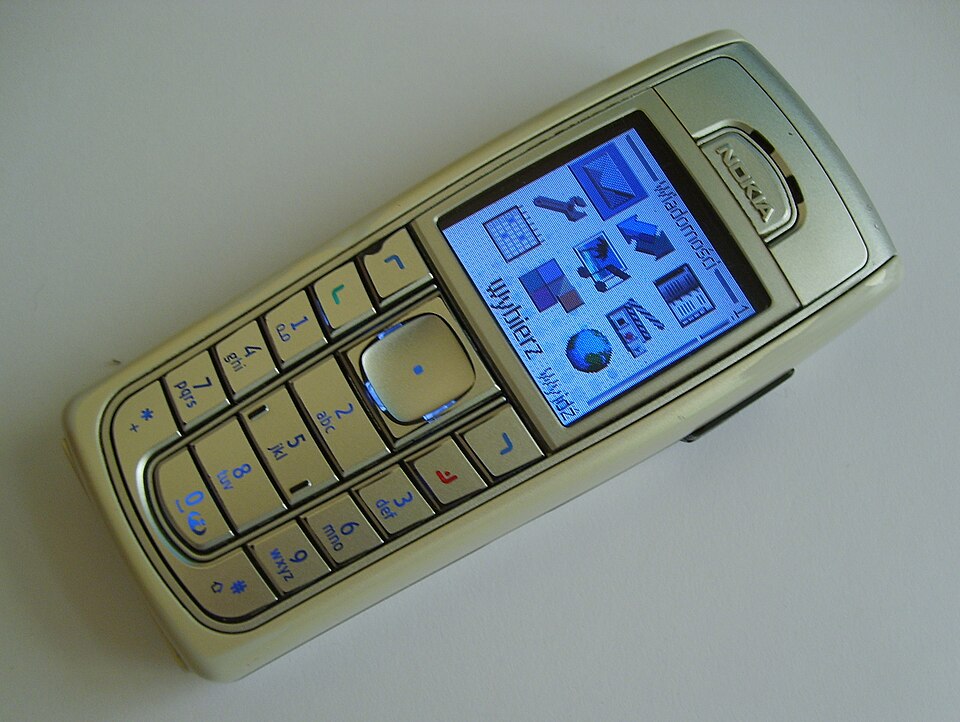
Martixx — Nokia 6230.jpg · Public domain. Commons thumbnail resize; no further edits.

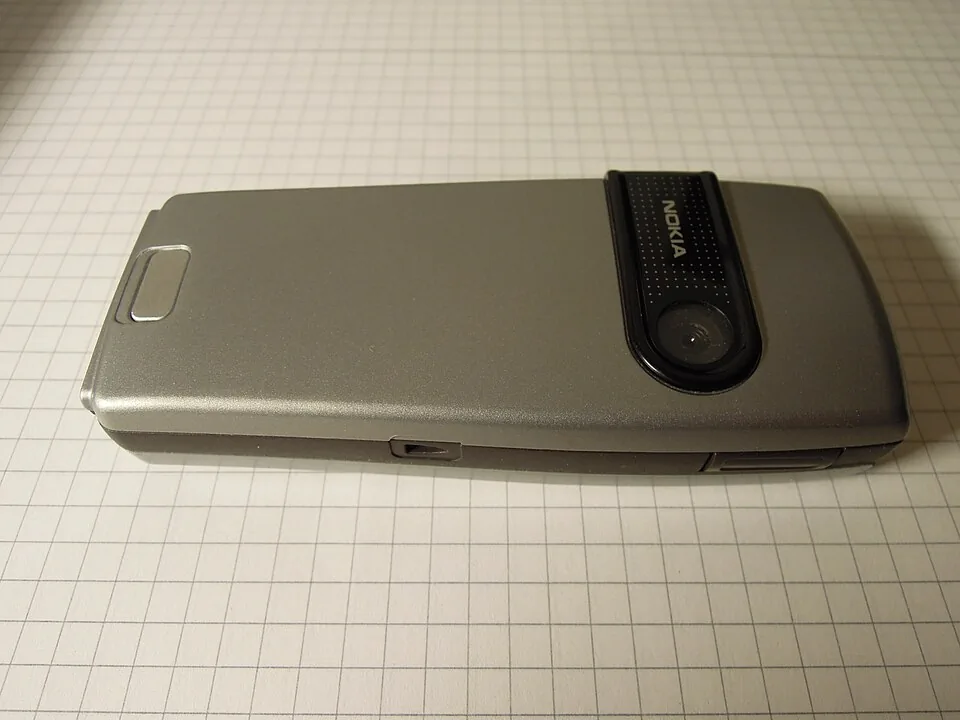
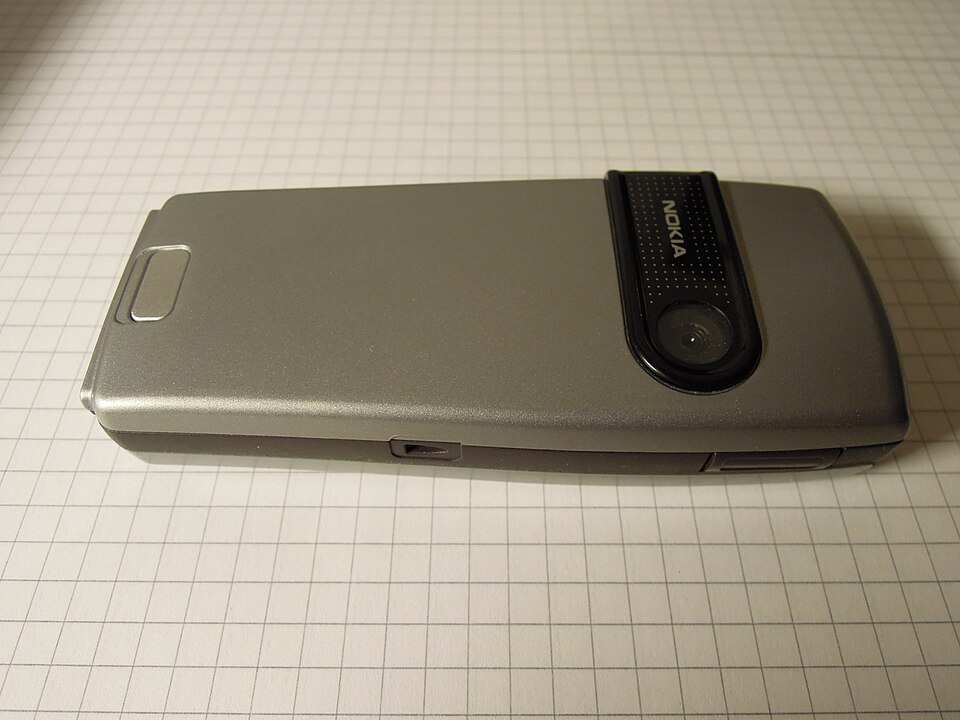
Cmuelle8 — Nokia 6230 -backside- closed.jpg · CC0. Commons thumbnail resize; no further edits.

Optimized display images on this page have been proportionally resized (maximum dimension 1600 px) and compressed to WebP, without cropping or retouching. Statements above about unchanged files refer to the preserved collected originals; attribution, sources and original licenses still apply. Originals: 1, 2.
Images collected from the Internet.