BlackBerry
Bold 9900
Announced in 2011, the Bold 9900 combines a 2.8-inch VGA touchscreen, physical QWERTY and optical trackpad with a 1.2 GHz single-core processor, 768 MB RAM, 8 GB storage and HSPA+. Maker-described materials, carrier NFC restrictions and fixed-focus camera behaviour are recorded separately.
Sign into save this entry.
- Platform
- BlackBerry OS QWERTY touchscreen smartphone
- Operating system
- BlackBerry OS7
Overview
Announced in 2011, the Bold 9900 combines a 2.8-inch VGA touchscreen, physical QWERTY and optical trackpad with a 1.2 GHz single-core processor, 768 MB RAM, 8 GB storage and HSPA+. Maker-described materials, carrier NFC restrictions and fixed-focus camera behaviour are recorded separately.
Period and variants
RIM announces the Bold 9900 and 9930 on 2 May 2011 with a summer availability plan. The 9900 combines physical QWERTY, an optical trackpad and a 2.8-inch VGA capacitive touchscreen in a 10.5 mm body, running BlackBerry OS 7. Later BlackBerry 10/QNX specifications are not carried over. The 9930’s CDMA/EVDO configuration remains a separate radio variant.
The maker describes brushed stainless steel and a high-gloss glass-weave rear plate; reviewers’ aluminium/carbon shorthand does not settle the materials. The 115 × 66 × 10.5 mm, approximately 130 g body, 1.2 GHz single-core processor and 768 MB RAM follow the announcement and firsthand tests. Eight gigabytes is total built-in storage, while about 5.4 GB initially free is a review sample observation. RIM and another reviewer specify up to 32 GB microSD, rather than the 16 GB listed in one early review table. Exact chipset and GPU remain unresolved.
The 5 MP rear camera uses fixed-focus/EDOF operation with an LED. RIM confirms 720p recording; a contemporary sample records 1280 × 720 at 30 fps in 3GP. There is no front camera, and close-focus capture is limited. The top lock/sleep button, right volume/mute/media-pause and programmable convenience controls, and left 3.5 mm/Micro-USB follow the actual layout. Its 1230 mAh lithium-ion battery is removable.
HSPA+, quad-band GSM and dual-band Wi-Fi do not establish LTE: T-Mobile’s contemporary 4G branding refers to HSPA+. The maker specifies tri-band HSPA+ with regional variants, so frequencies from different samples are not merged into one global configuration. NFC hardware exists but is disabled in the reviewed T-Mobile launch firmware. Hotspot observations also differ between tests without a verified firmware mapping. GPS/aGPS, compass, accelerometer and proximity sensing follow RIM. The Liquid Graphics up-to-60-fps UI claim is not a panel refresh-rate measurement; historical BIS/BES functionality is not a current availability promise.
Sources
- RIM — original Bold 9900/9930 announcement, 2 May 2011
- MobileTechReview — Lisa Gade’s own T-Mobile Bold 9900 review, 29 August 2011
- Mobile-review — Sergey Kuzmin’s own Bold 9900 review, 21 November 2011
- GSMArena — own Bold Touch 9900 review introduction, 20 September 2011
- GSMArena — own Bold 9900 camera and connectivity tests
Image credits
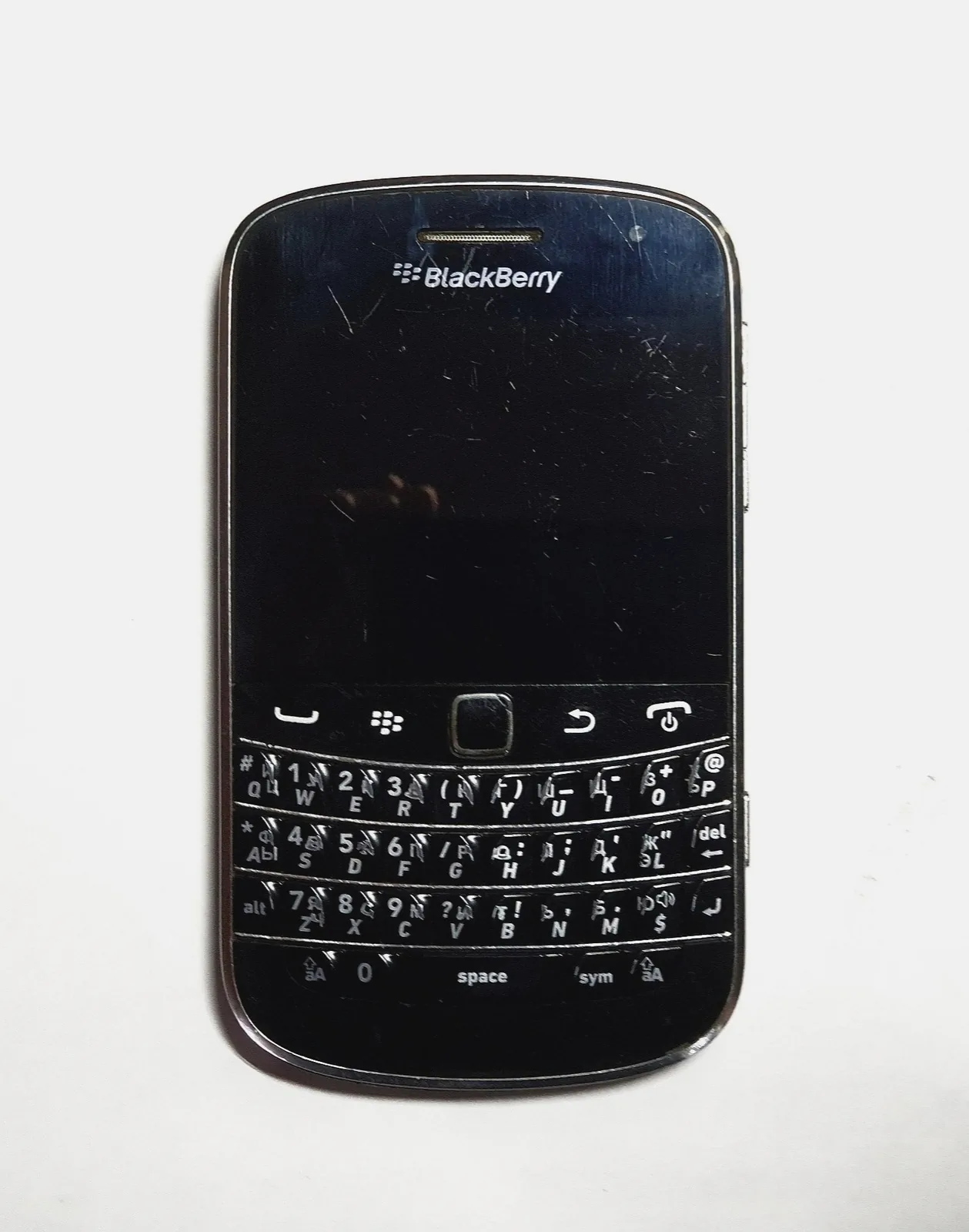
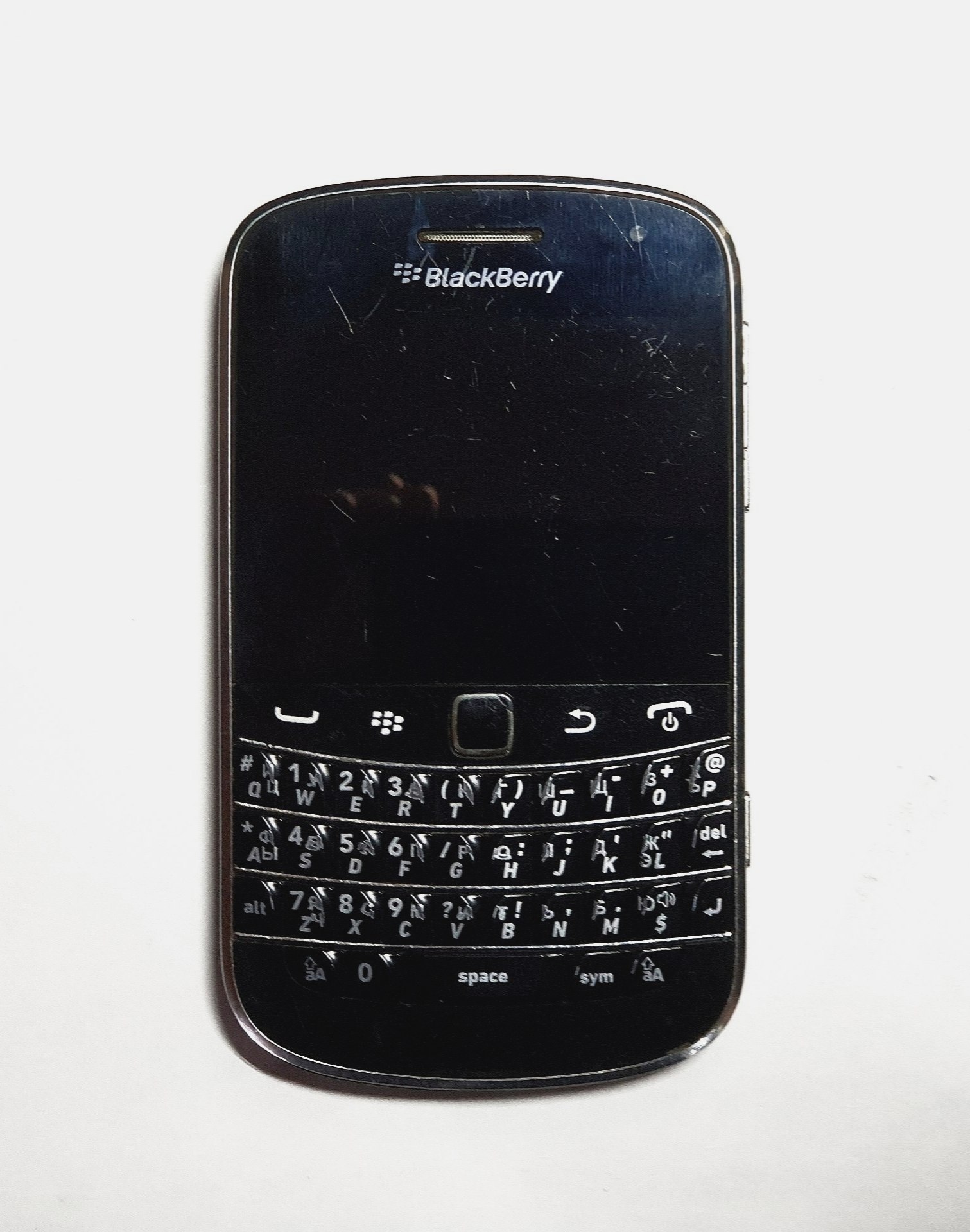
BlackBerry Bold 9900 worn black handset front; source identifies separately engraved Cyrillic keys, not proof of factory regional keyboard — P2u111, CC BY 4.0; source file unchanged by this archive.

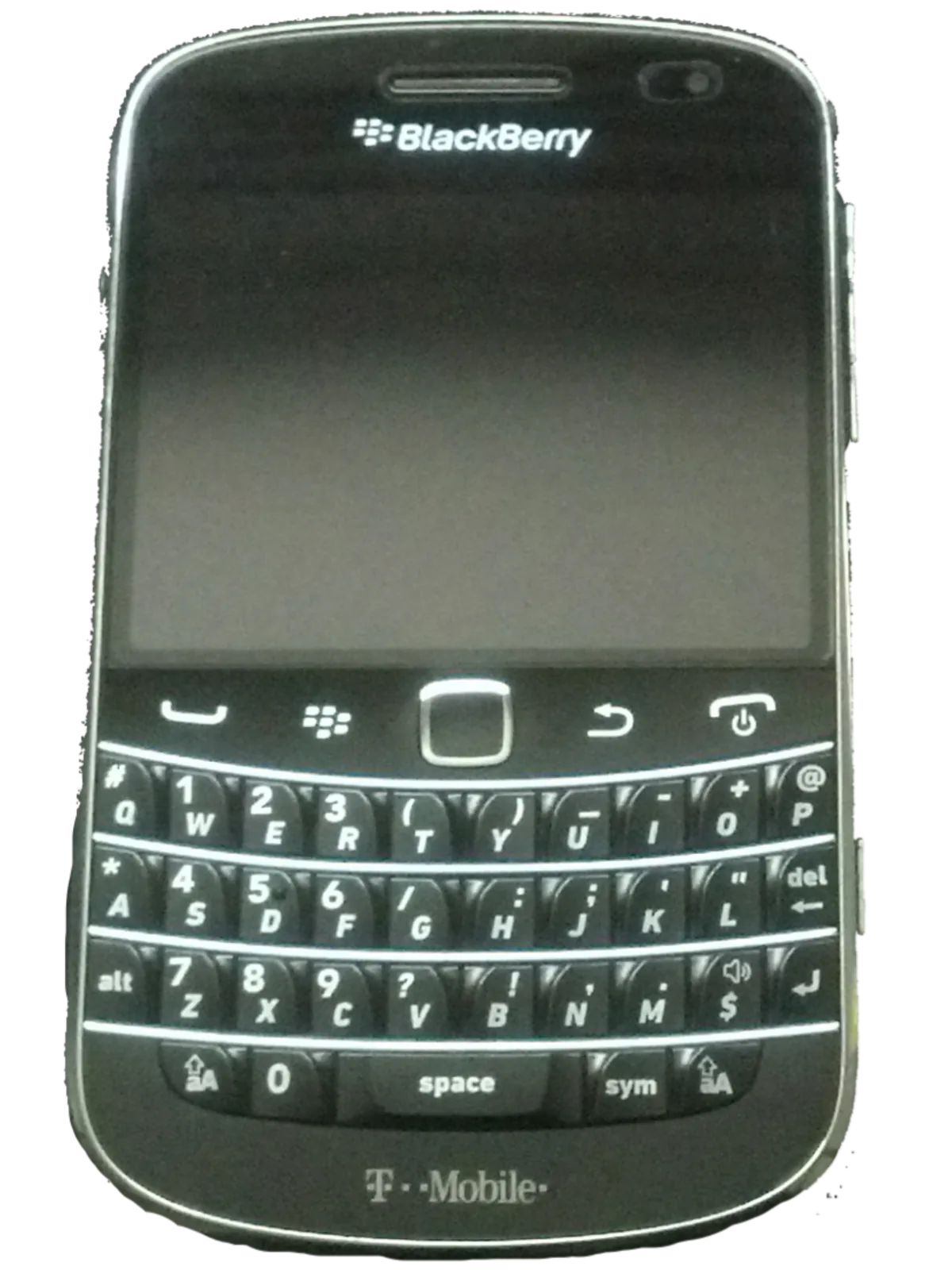
BlackBerry Bold 9900 T-Mobile-branded front, source-existing transparent cutout used without further editing — Kt38138, CC BY-SA 4.0; source file unchanged by this archive.

Optimized display images on this page have been proportionally resized (maximum dimension 1600 px) and compressed to WebP, without cropping or retouching. Statements above about unchanged files refer to the preserved collected originals; attribution, sources and original licenses still apply. Originals: 1, 2.

Images collected from the Internet.